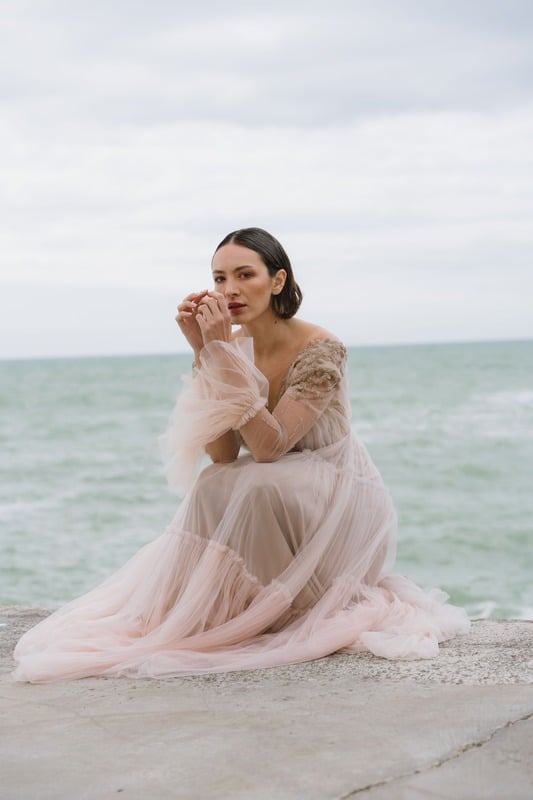
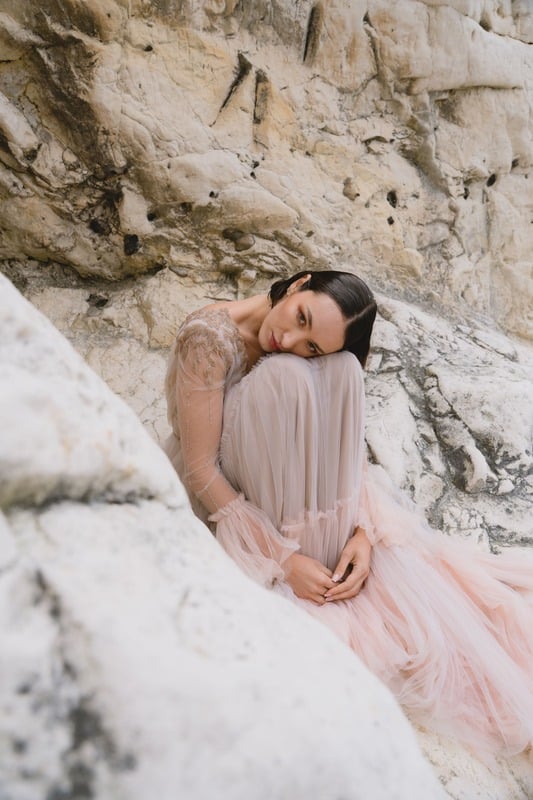
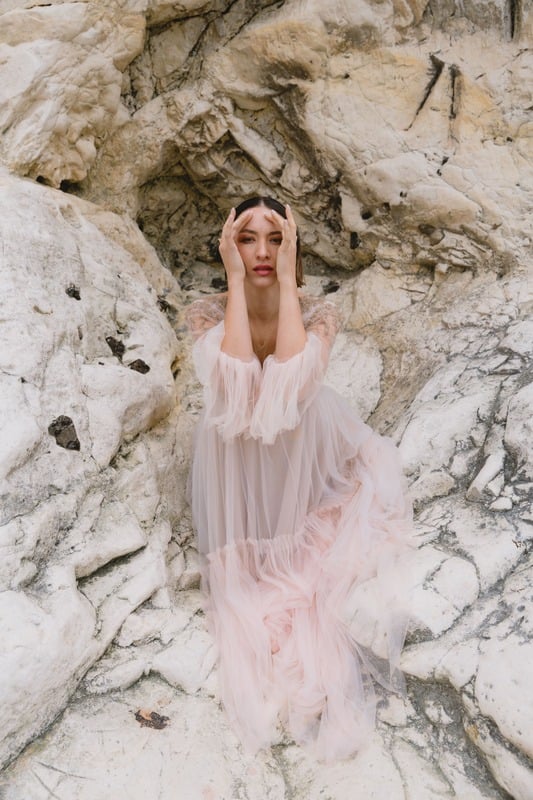
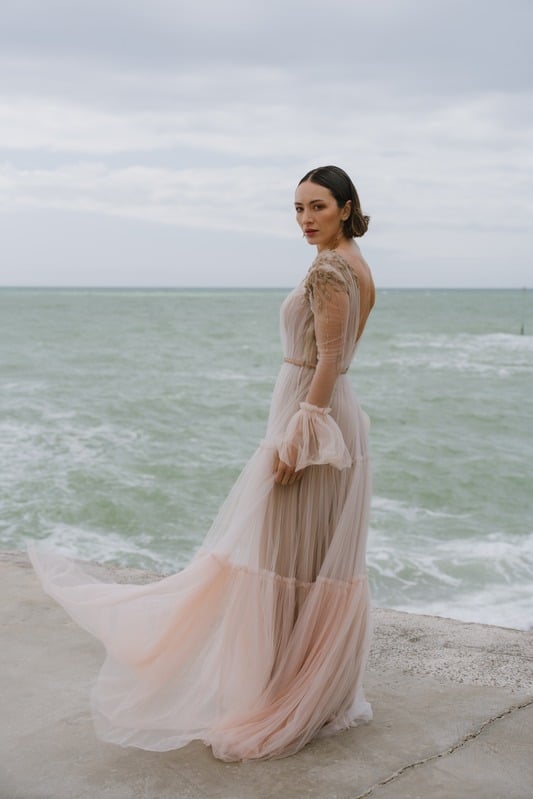
For years, I believed belonging existed somewhere else. Through writing, correspondence and visual storytelling, I explore what happens when we spend a lifetime searching for home and discover it was never a place at all.
"Some things need to travel slowly."
For much of my life, I believed belonging was a place. A country. A language. A relationship. A version of myself I had not yet become. So I left. Again and again.
Brazil became China. China became Hong Kong. Hong Kong became London. London eventually led me to Rome.
With every move, I carried the same question: "What does it mean to feel at home?"
This space is an archive of that inquiry. Some of it arrives as essays. Some as photographs. Some as handwritten postcards. Some as a book still being written.
All of it is an invitation to return to yourself.
"Notes on the Unseen" started as a collection of observations — fragments jotted down in notebooks, sentences composed while travelling on airplanes, and questions that lingered long after conversations ended. Over time, these notes evolved into something more significant. They became a correspondence project, an archive, and a space for exploring thoughts on belonging, identity, language, friendship, grief, and the quiet journey of becoming. These are not definitive answers; they are simply notes left along the way.
Long-form explorations of belonging, identity and the quiet architecture of the inner life.
Read → 02Short pieces sent as handwritten postcards to strangers. Each one a sentence travelling somewhere.
Read → 03The postcard project. Handwritten fragments on belonging, mailed to people across the world.
Receive a fragment →"An accent isn't where you failed to fit in. It is proof that your voice has travelled."
From the Correspondence Archive — Notes on the Unseen
Creative direction for brands who understand that aesthetics are remembered when they make us feel something.
A book about searching for home.
For years, Nathalia believed belonging existed somewhere else. In another country. Another language. Another version of herself.
Losing My Accent is the story of what happened when she spent a lifetime searching for home and discovered that home was never a place at all.
Moving between Brazil, Asia and Europe, the memoir explores language, migration, family, love, grief and identity through a series of interconnected reflections on what we carry with us when we leave. Written with curiosity, vulnerability and a psychoanalytic eye, it is both a personal story and a meditation on the universal desire to belong.
At once intimate and expansive, Losing My Accent is an invitation to consider the many selves we become throughout a lifetime — and the parts of ourselves that remain unchanged beneath them all.
Join the waitlist — be the first to hear when it arrives.
Several times a year, I sit down and handwrite postcards to people I have never met.
Each one carries a fragment on belonging, identity, language or the return to oneself.
There is no automation. No campaign. No algorithm.
Just a sentence travelling through the world in the hope that it arrives exactly when it is needed.
If one finds you at the right time, pass it forward.
"If this fragment finds you at the right time, pass it forward."
Tell me where to send it. A postcard will find you.
Nathalia Grisard is a writer, visual storyteller and creative director. Born in Brazil, based between London and Rome, she has spent her career working at the intersection of culture, identity and image.
Her work — across writing, correspondence, photography and creative direction — explores a single question: what does it mean to belong to oneself?
Born in Brazil. Shaped by London and Rome. Working at the intersection of identity, culture and image.
Nathalia Grisard grew up on an island in the south of Brazil and spent much of her adult life leaving.
What began as curiosity became a life lived across continents, languages and identities. China. Hong Kong. Japan. London. Rome. Along the way, she learned five languages, built businesses, worked in fashion, became a mother and found herself returning to the same question in different forms: what does it mean to belong?
For more than a decade, Nathalia worked across creative direction, visual strategy and brand storytelling, helping companies articulate who they were and what they stood for. Yet beneath every campaign and every image was a quieter inquiry; one that had little to do with brands and everything to do with people.
Writing became the place where those questions could live. Not because it arrived later, but because it was finally given permission to emerge.
Notes on the Unseen is the result: a collection of essays, fragments, photographs and correspondence exploring belonging, identity and the invisible forces that shape a life. It is both an archive and an ongoing conversation with the questions that have followed her across oceans.
She is currently completing Losing My Accent, a literary memoir that explores language, migration and the many versions of ourselves we leave behind in order to become who we are. The book grew from years of notebooks, observations and handwritten postcards sent to strangers around the world; small reflections on belonging, released into the uncertainty of the postal system and trusted to find their way.
Today, Nathalia's work sits at the intersection of writing, visual storytelling and psychoanalytic inquiry. Whether through a photograph, a fragment of prose or a letter sent across continents, she is interested in the same enduring themes: identity, connection, memory, loss and the lifelong process of returning to oneself.
"Some things need to be said slowly. And some questions take a lifetime to answer — but the asking is the point."
Essays, fragments, correspondence and field notes on belonging, identity, grief, friendship, language, home, motherhood and becoming.
"After years of moving between languages, cities and different versions of myself, I realised how easy it is to become disconnected from your own life. For a long time, I thought belonging meant becoming someone new. Slowly, I began understanding that belonging is not about changing who you are. It is about becoming quiet enough to recognise yourself again."
"Growing up between languages, people often corrected the way I spoke. My accent, my pronunciation, the shape of certain words against my tongue. For a long time, I believed belonging meant learning how to sound like everyone else. But accents are not signs of where we failed to belong. They are proof that a voice has travelled."
"There was a time in my life when I believed healing meant leaving the past behind completely. But memory does not ask to be erased. Only understood differently. I have learned that peace is not found in forgetting who you once were. It is found in being able to look back with tenderness, while still allowing yourself to fully live the life unfolding in front of you."
Handwritten fragments, sent by post to people across the world. Each postcard carries a piece of the work — a thought on belonging, language or the journey back to oneself.
The project is free, slow and ongoing. Recipients are invited to pass a fragment forward when it finds them at the right moment.
"If this fragment finds you at the right time, pass it forward."
Three fragments on belonging. Currently being sent worldwide.
Series Two — in progress.
Free. Handwritten. Sent to wherever you are.
A living list. Updated when something arrives that belongs here.
The Argonauts
Maggie Nelson
On becoming, transformation and the language we use to describe ourselves.
Bewilderment
Richard Powers
On attention, wonder and what it means to be present to a disappearing world.
In Other Words
Jhumpa Lahiri
On learning Italian, on belonging to a language not your own.
A Field Guide to Getting Lost
Rebecca Solnit
On wandering, uncertainty and the beauty of not yet arriving.
101 Essays That Will Change the Way You Think
Brianna Wiest
On the inner work of becoming — thought patterns, emotional habits, and what it means to live consciously.
Short notes from the field — observations, overheard moments, images without explanation.
A woman on the train, reading. She underlines something, closes the book, looks out the window for a long time. She has the look of someone who has just been recognised.
The word saudade doesn't translate into English. Which means some of what I feel was always going to remain unspeakable in the language I use most.
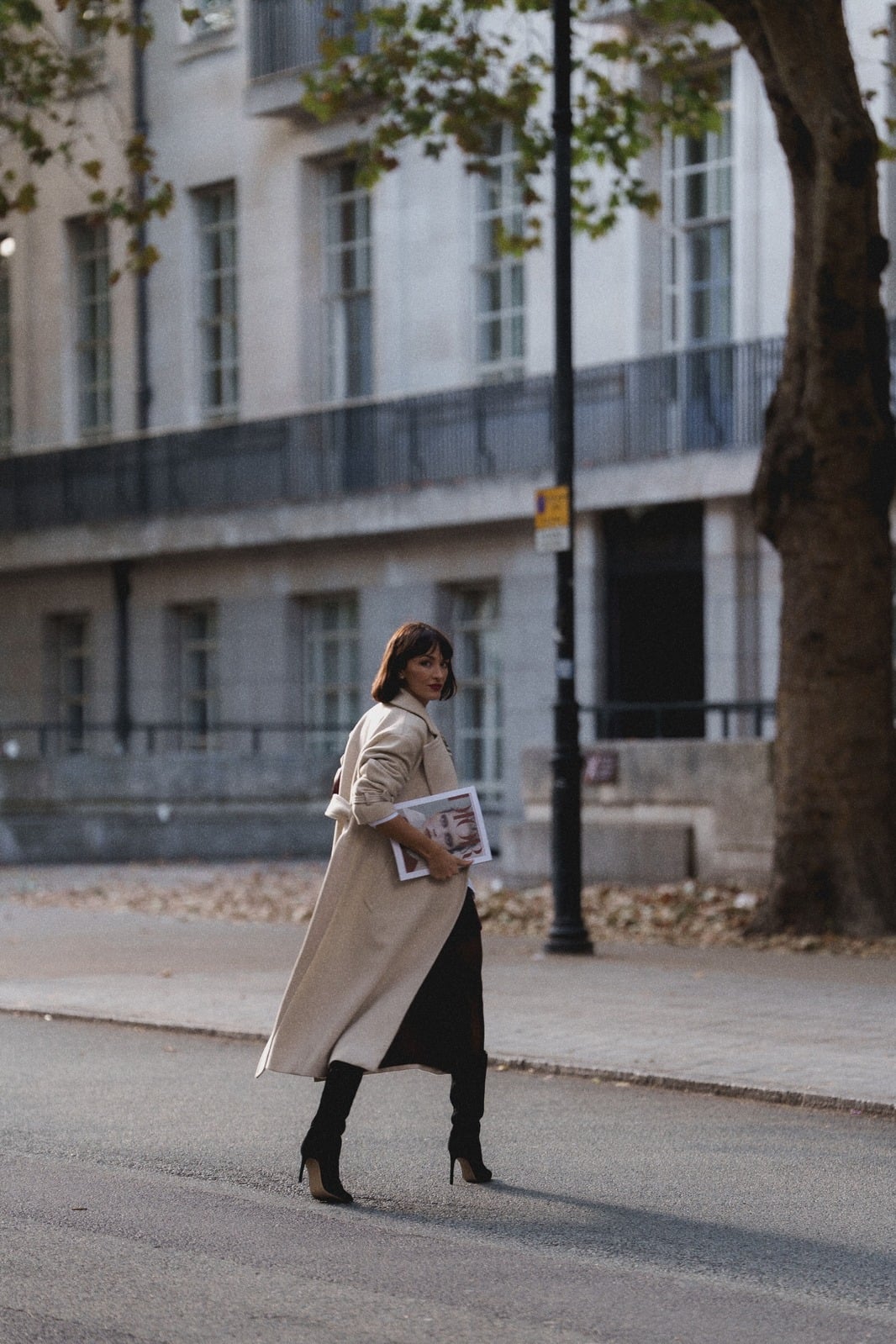
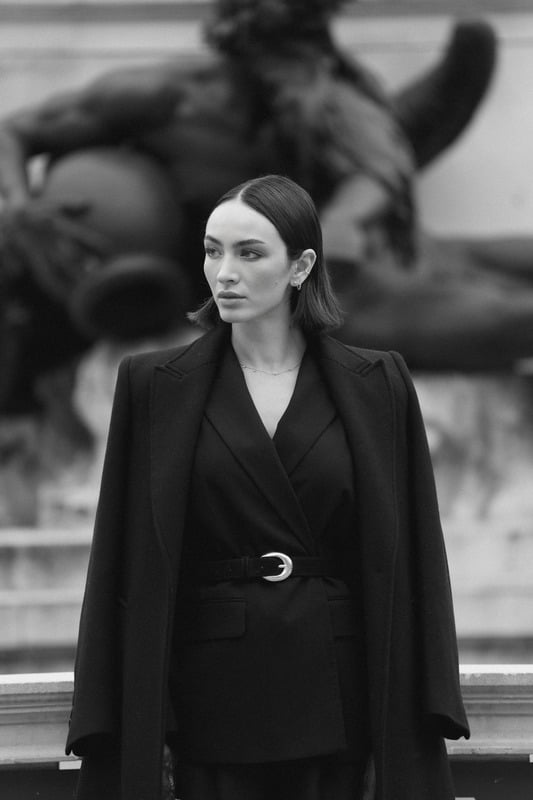
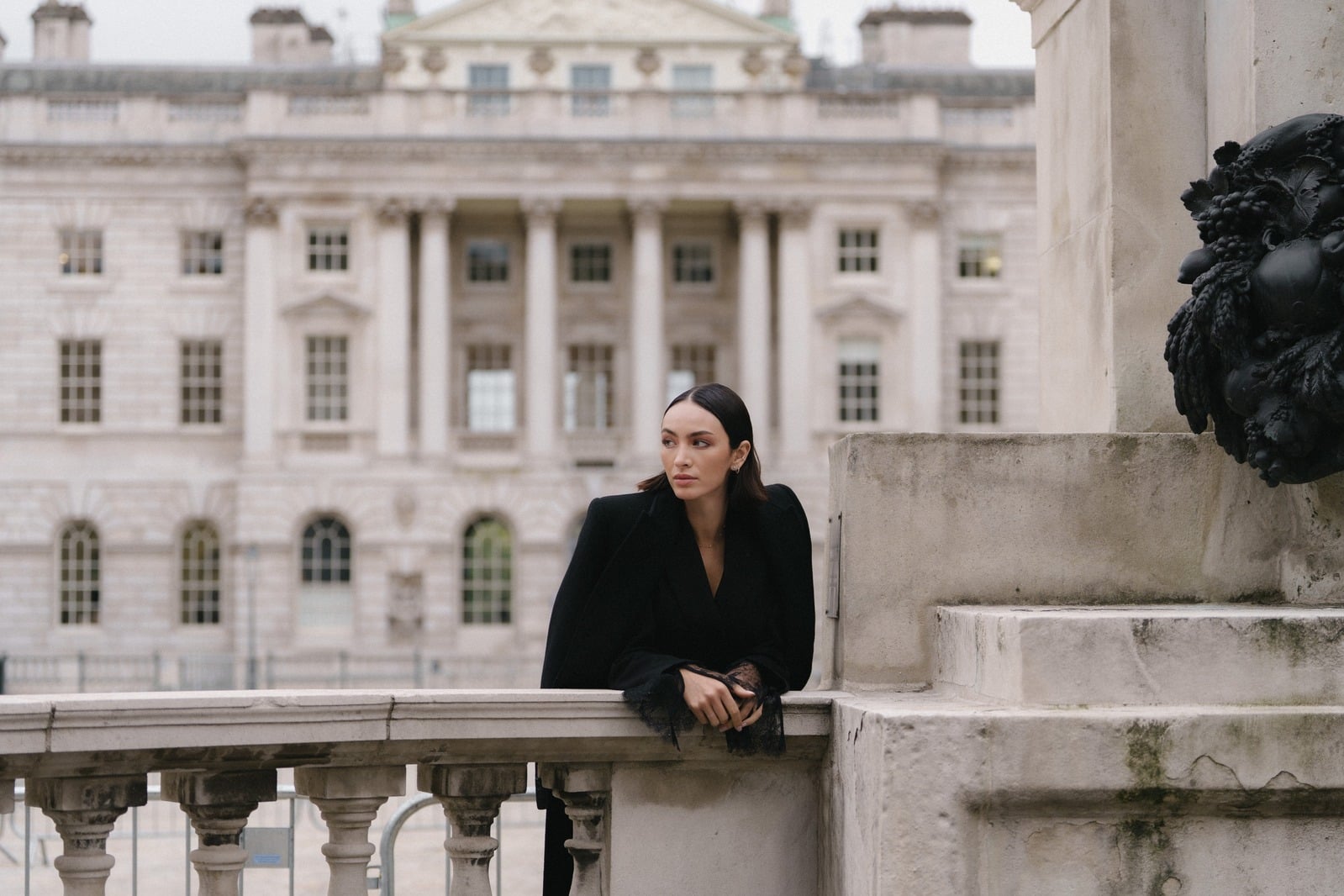
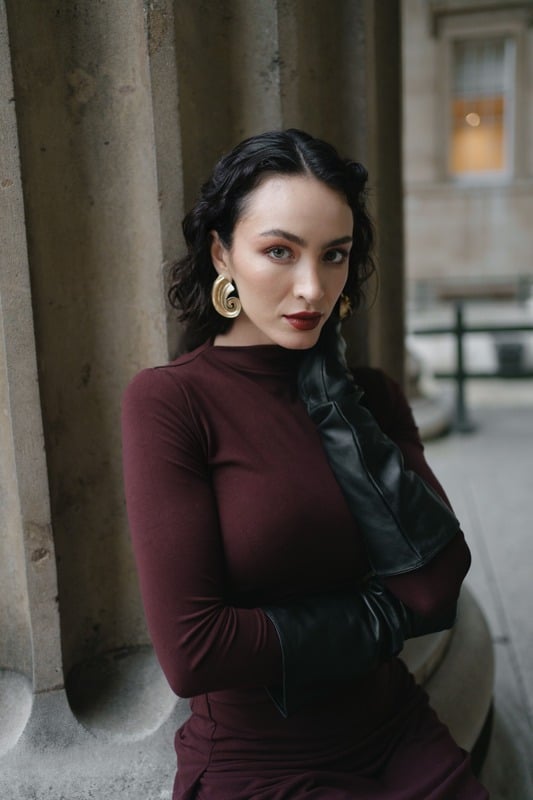
My work sits at the intersection of image, language, and emotional narrative.
I create commissioned visual essays that explore intimacy, identity, and transformation by combining editorial imagery with psychologically informed writing.
Each project is approached as an authored body of work rather than content production, designed to live beyond a single moment or campaign.
Each editorial commission is approached as a cohesive body of work — from concept to final delivery — with attention to narrative, atmosphere, and emotional clarity.
Transforming brand values, spaces, or ideas into a clear editorial concept, narrative arc, and visual language.
Overseeing the realisation of the concept through imagery and film, including creative direction, casting, styling, and on-set guidance.
Editorials may be embodied from within the frame or realised through directed talent, depending on the needs of the narrative. In both cases, performance is guided with the same attention to tone, intimacy, and coherence.
Guiding edit, pacing, and post-production so the final work feels complete, intentional, and ready to live beyond a single moment or platform.
Photos by Natalia Ruszczuk and collaborators
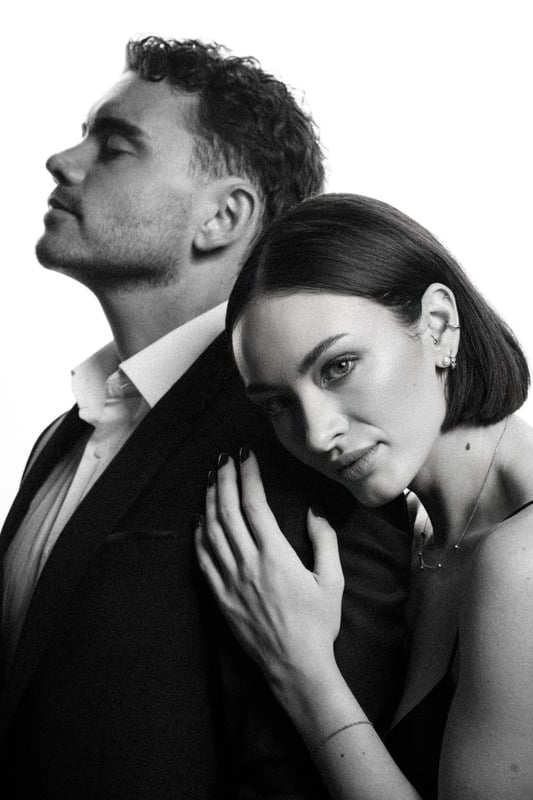
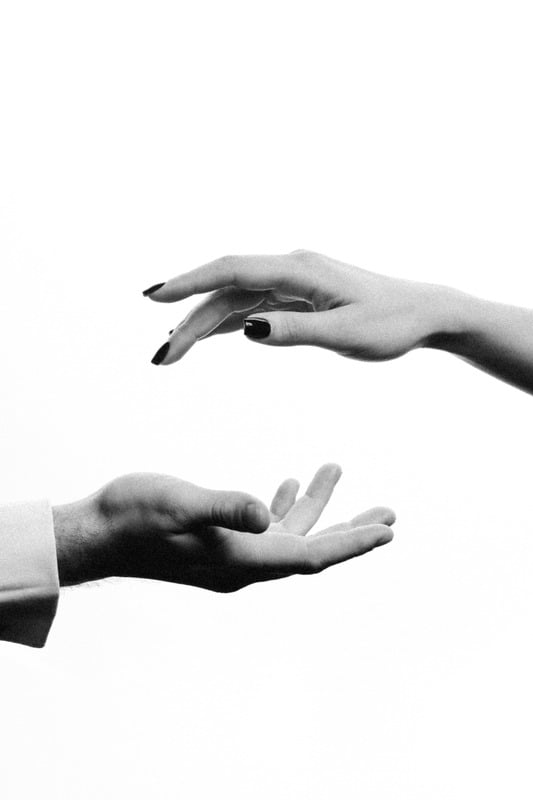
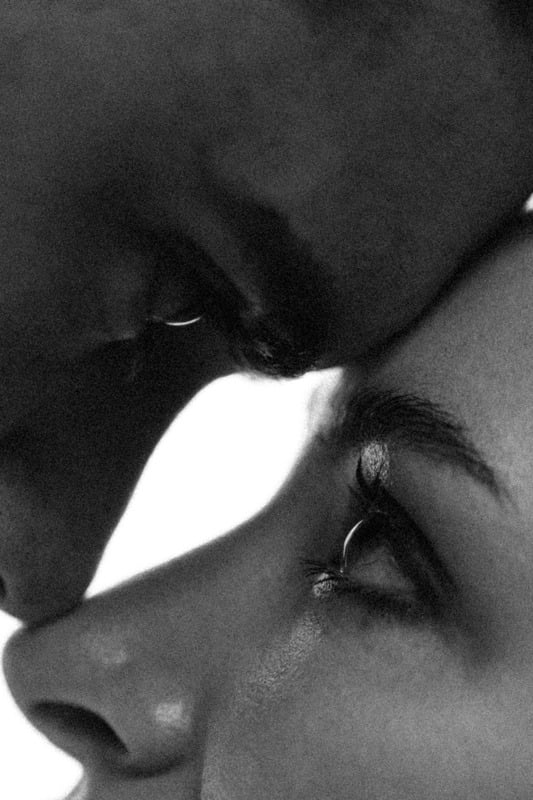
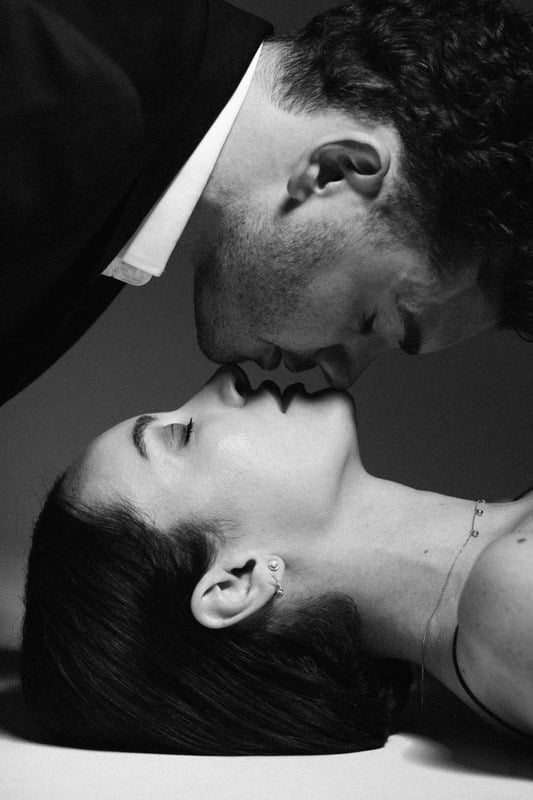
the last language of us
The quiet brutality of intimacy: how lovers become each other's undoing.
quiet rebellion: the unread pages
A visual essay on autonomy, presence and the quiet confidence of becoming.
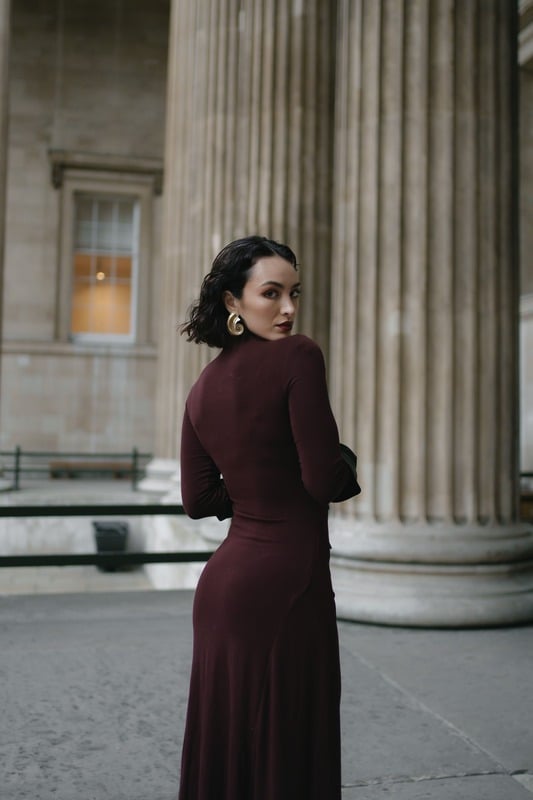
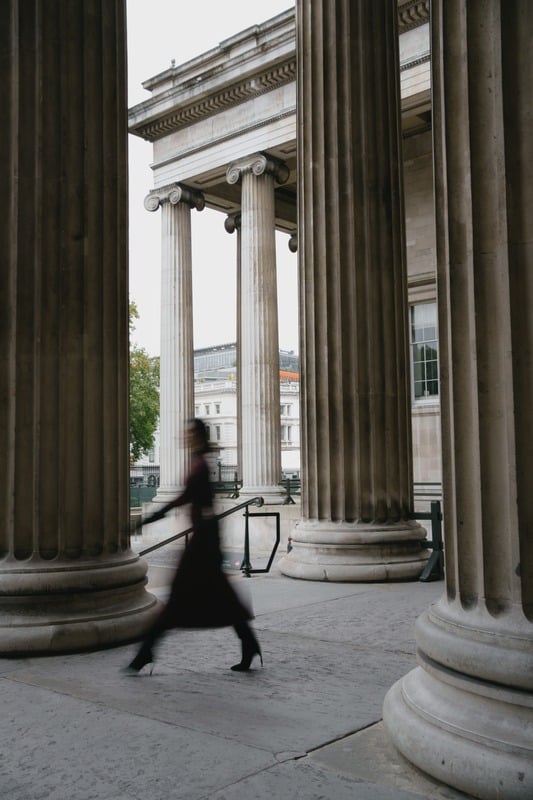
sculpted solitude
An homage to the elegance of restraint and the magnetism of quiet presence. Where stillness becomes power.
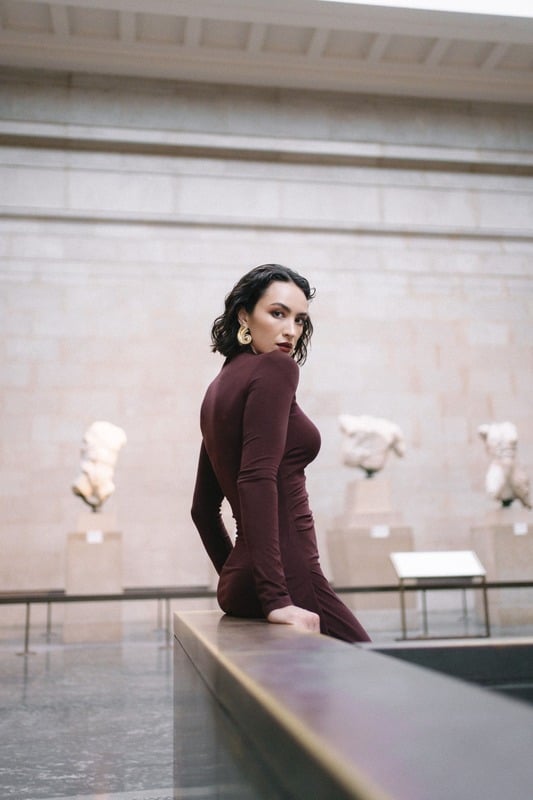
echoes of the living
Between marble and memory. An editorial about the soft ache of being alive.
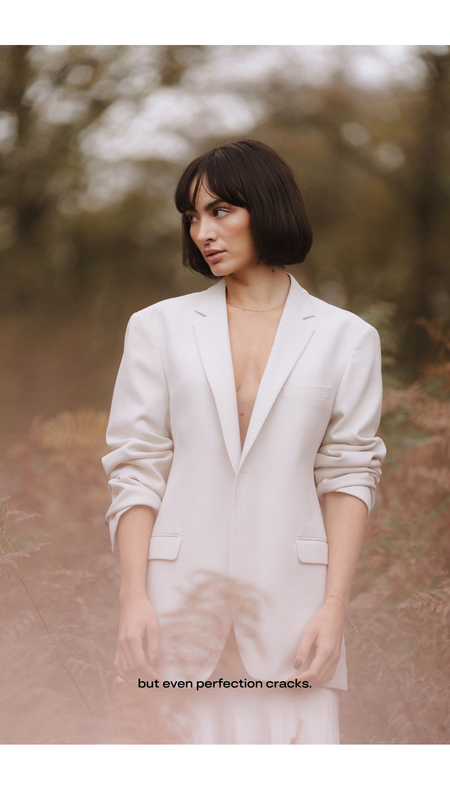
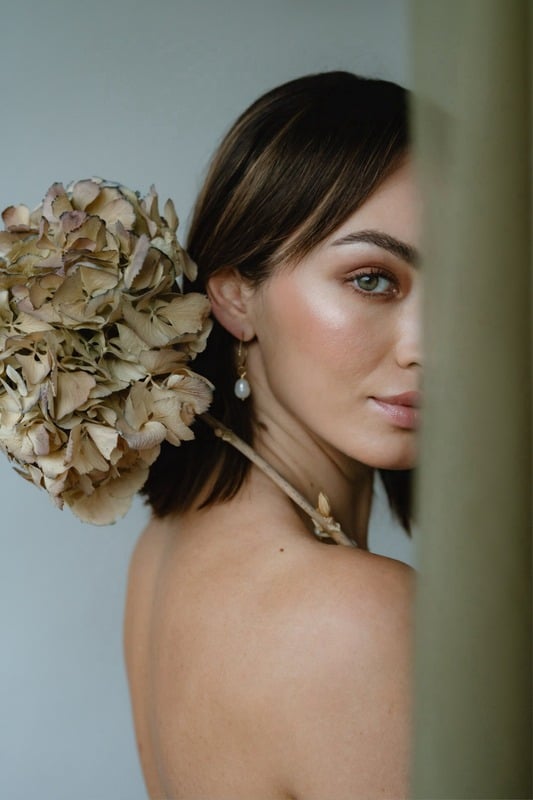
forbidden femininity
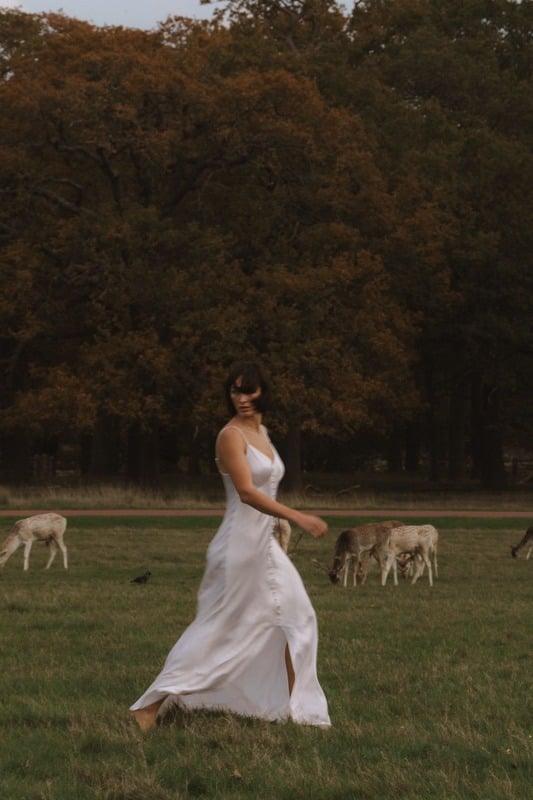
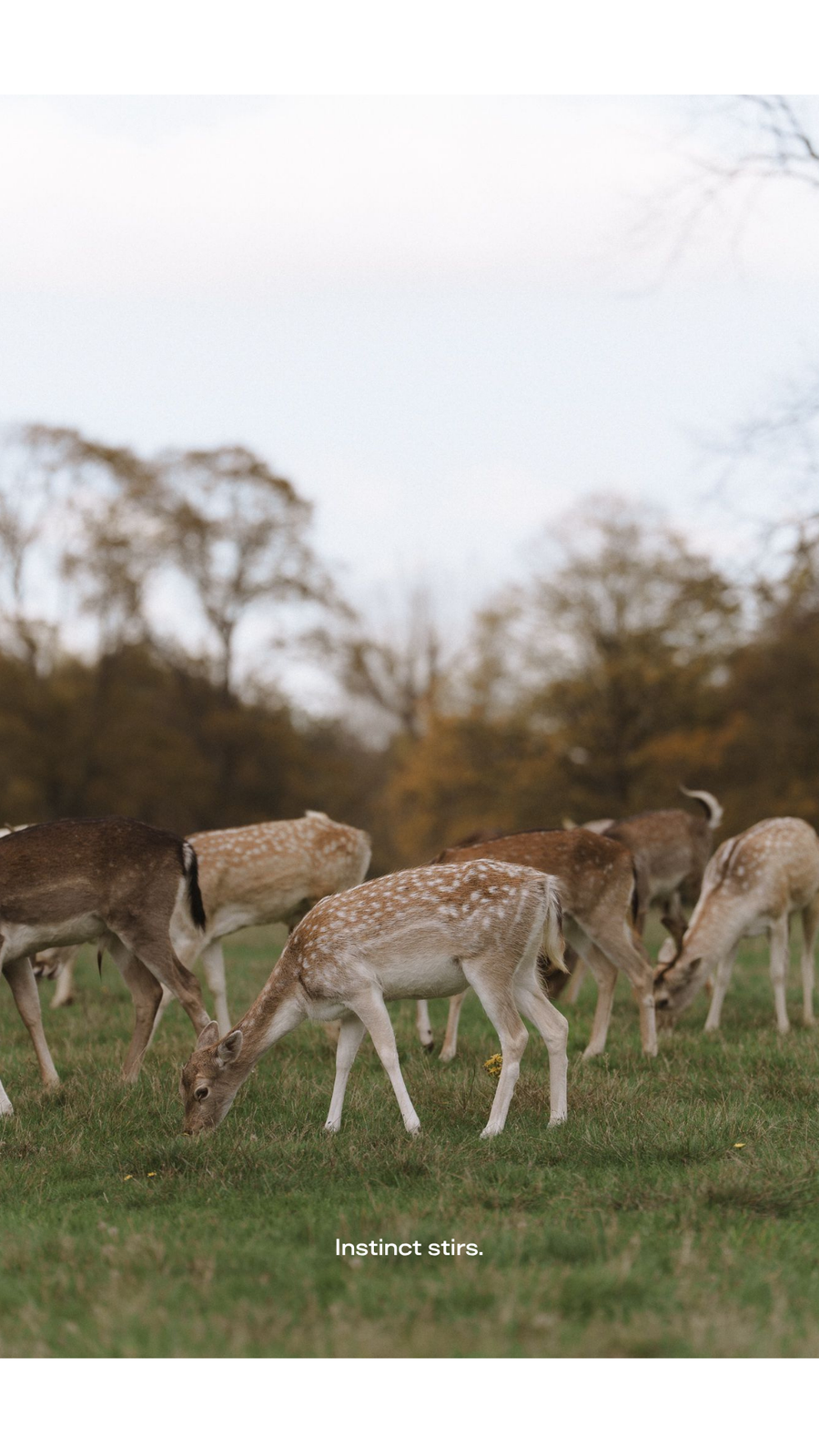
Crafted to reclaim softness as power, for the woman who refuses to be softened into silence. Inspired by the visual poetry of instinct, wind and wild light.
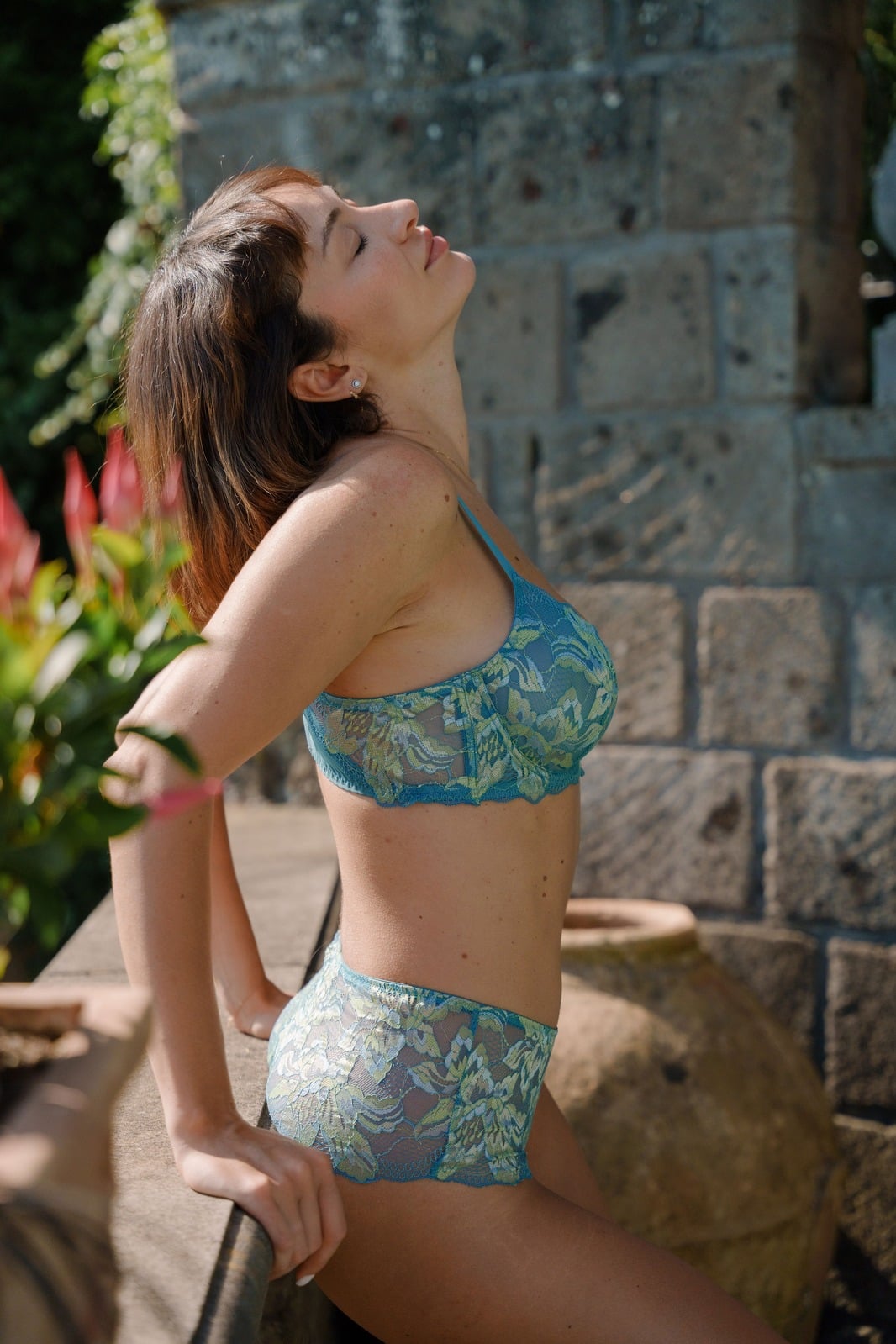
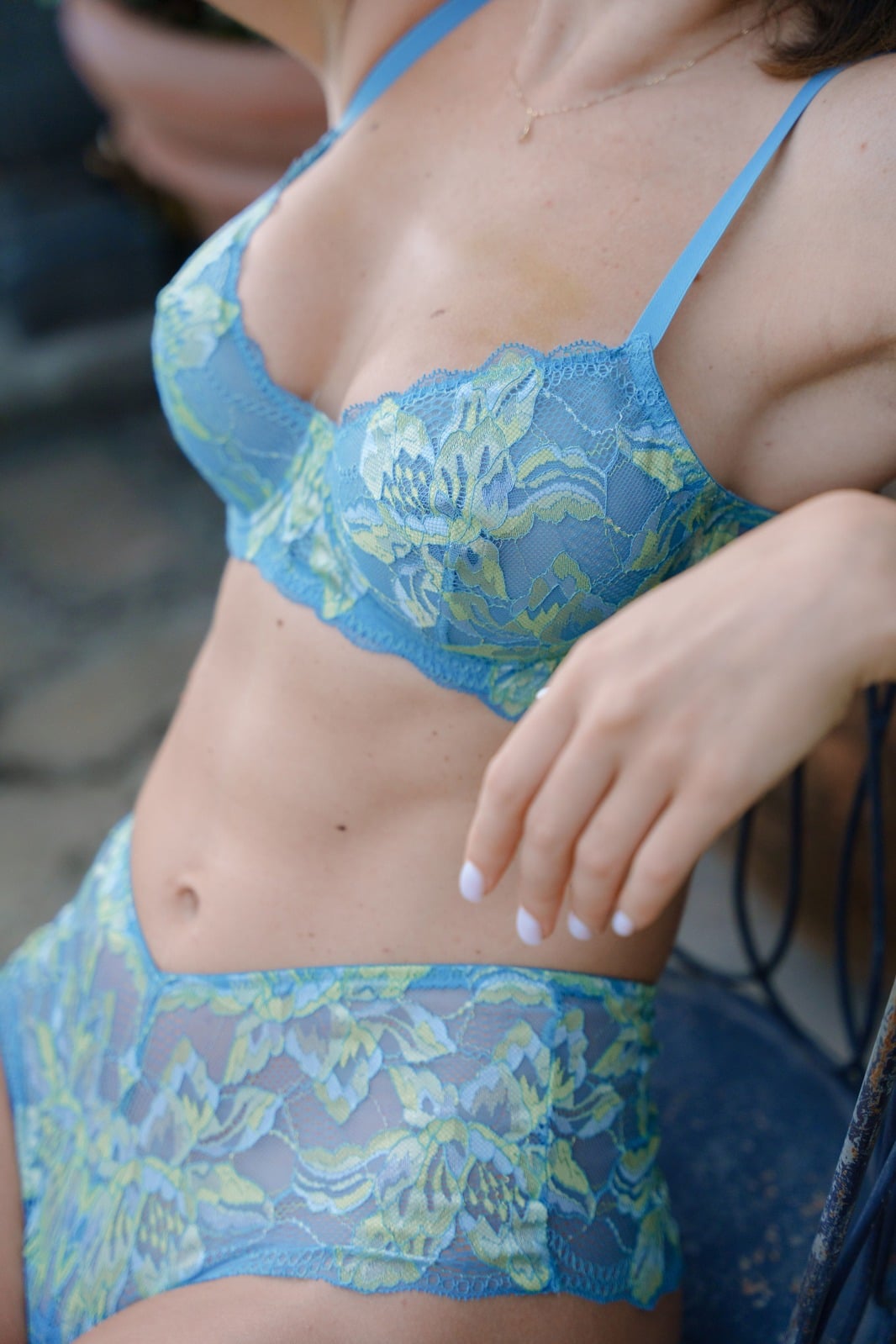
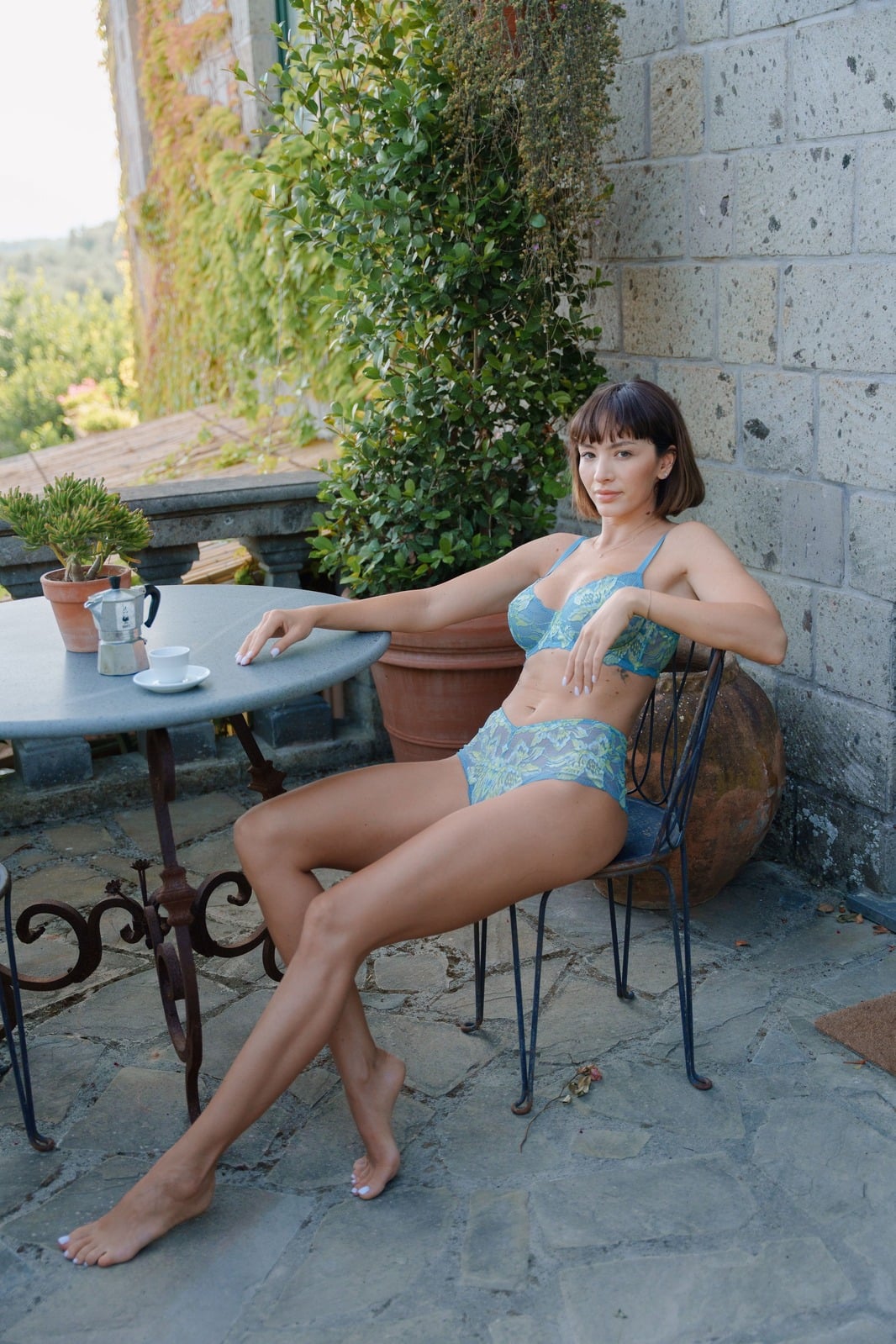
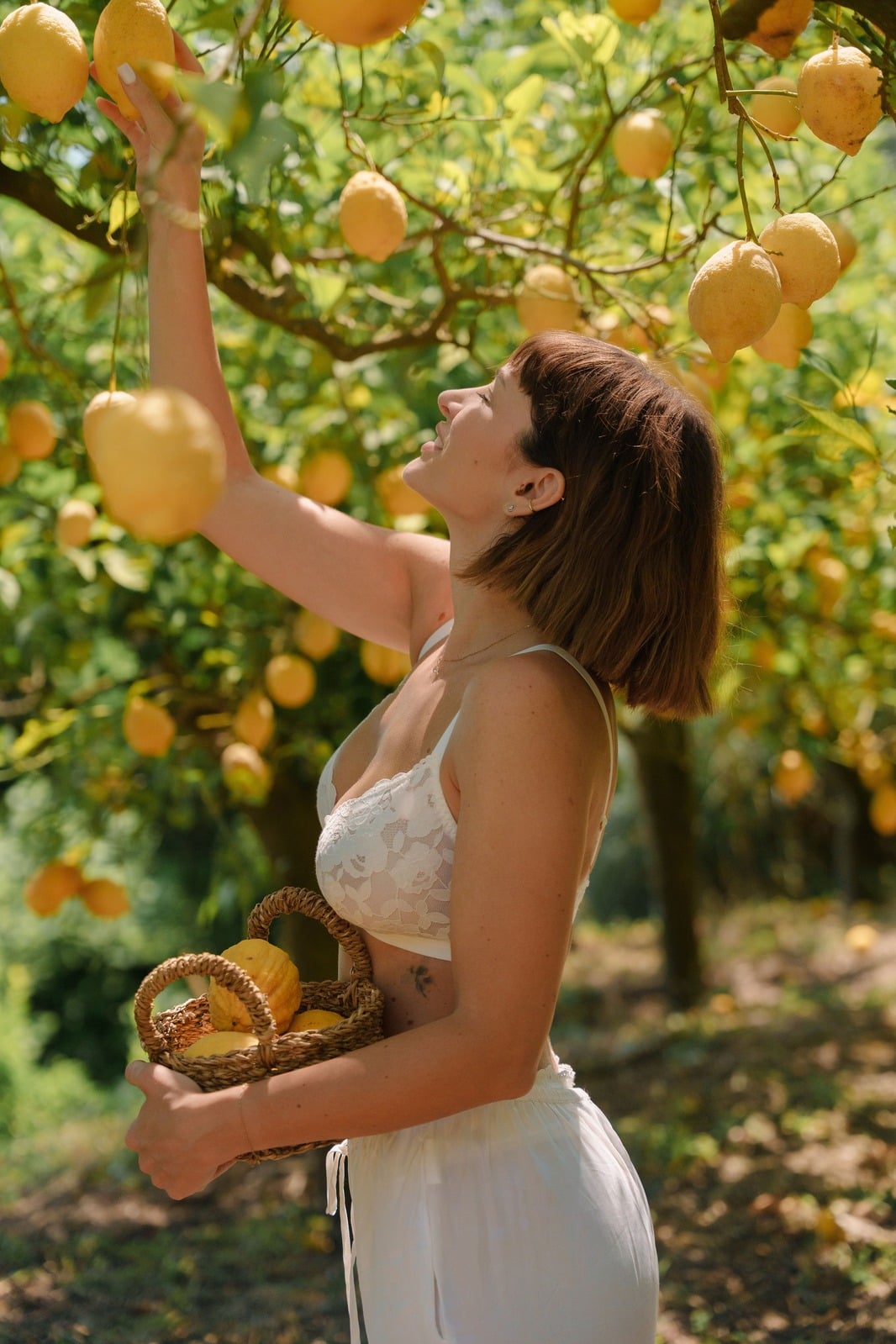
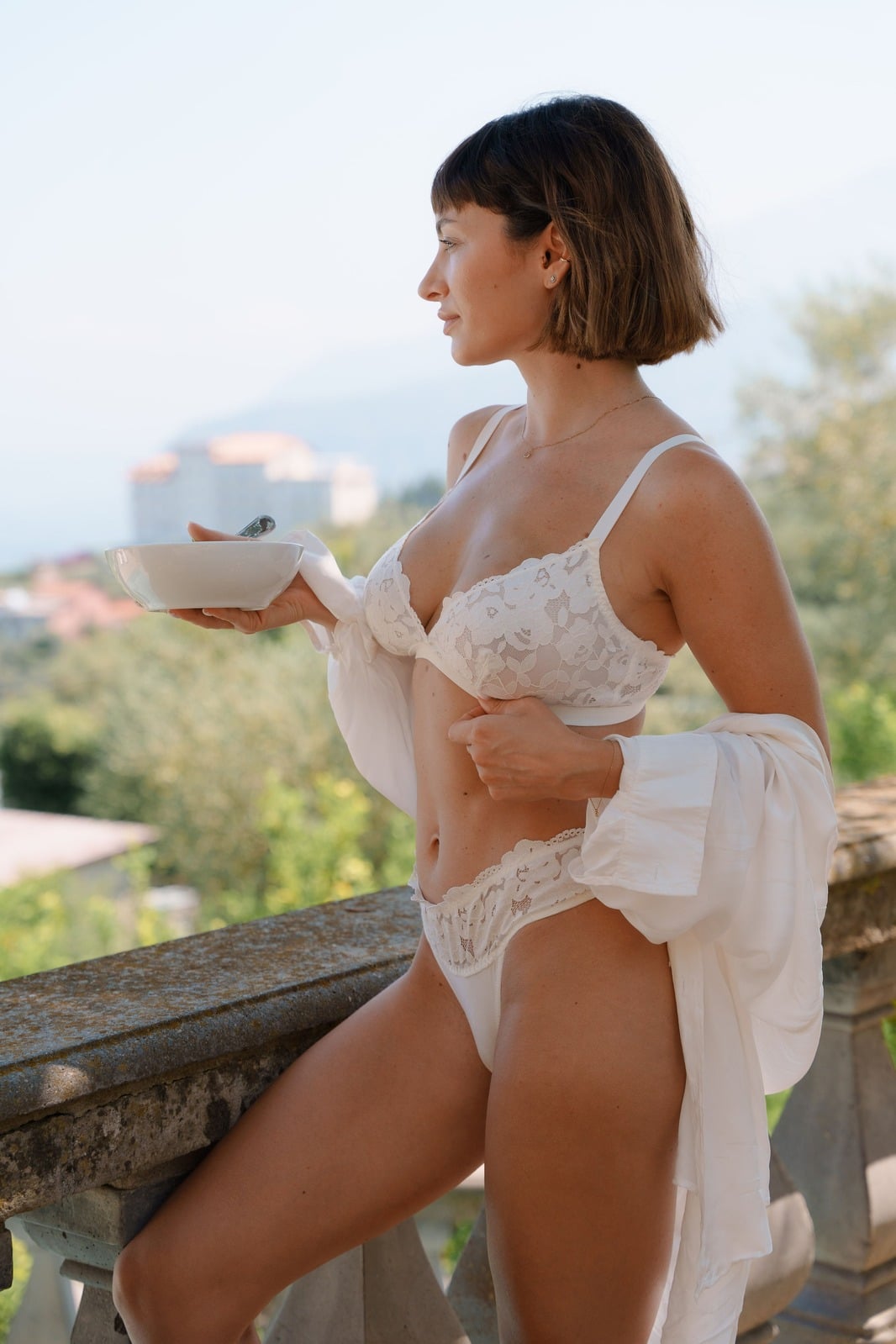
il dolce far niente — cosabella
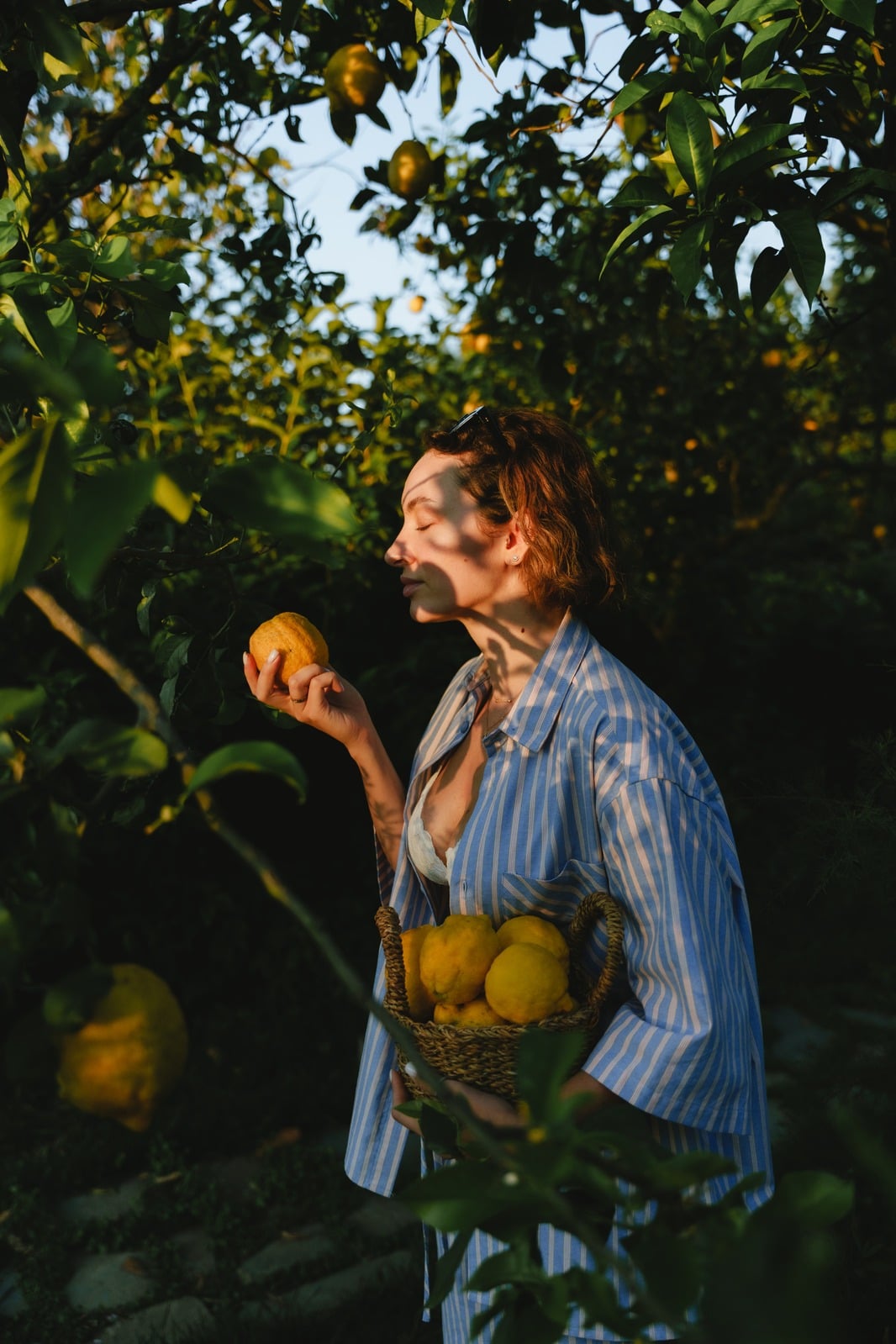
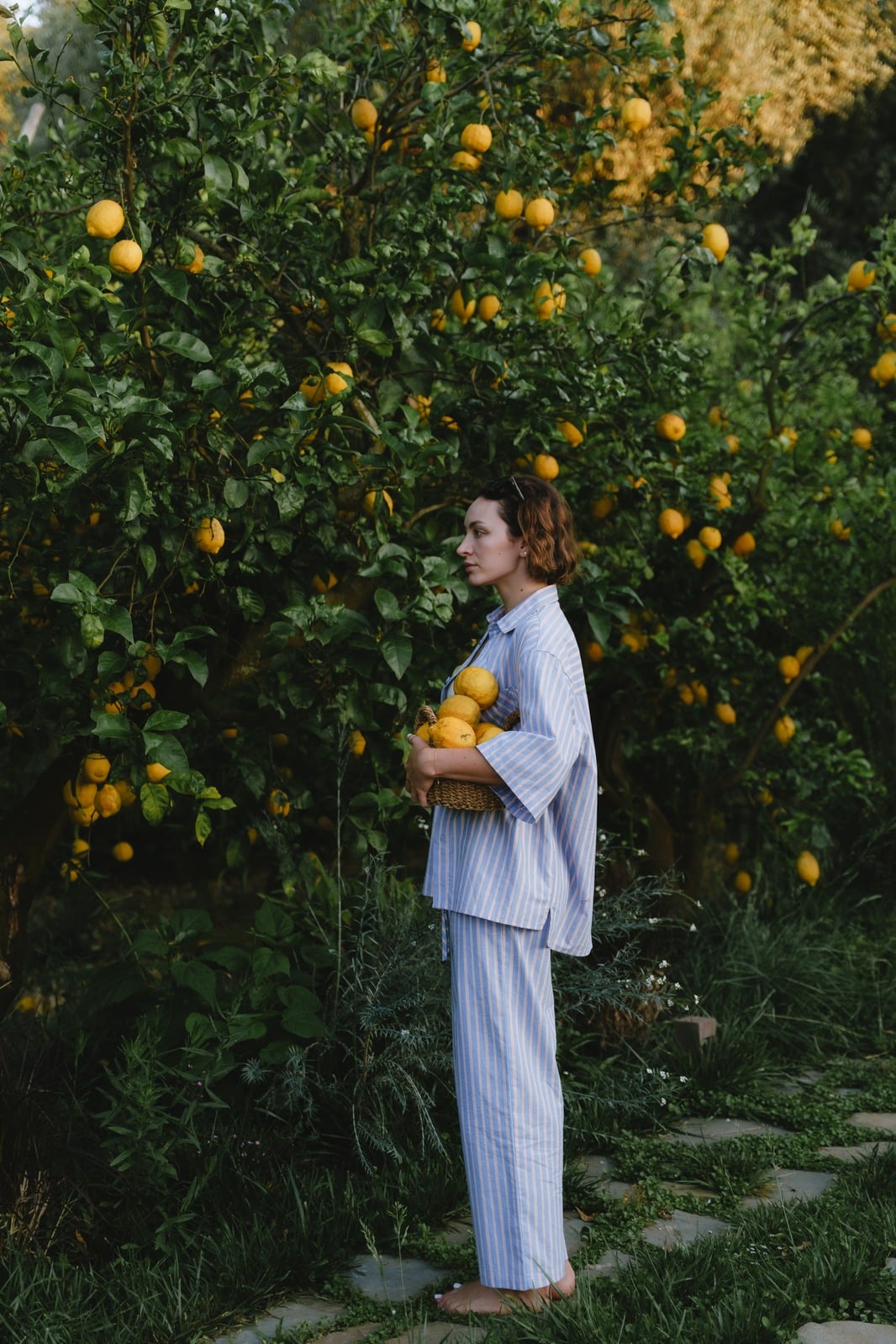
An exploration of softness, leisure, and sensuality as a state of being rather than a performance. Shot in Sorrento, this editorial draws on the Italian philosophy of Il Dolce Far Niente, capturing intimacy through natural light, slow gestures, and moments of quiet presence. Femininity here is unhurried, embodied, and deeply at ease.
everlasting love — luhana pawlick
Shot along the UK coastline, this editorial reflects on love as continuity rather than spectacle. Soft tones and restrained composition allow the narrative to unfold gently, a meditation on timelessness, vulnerability, and inner steadiness.
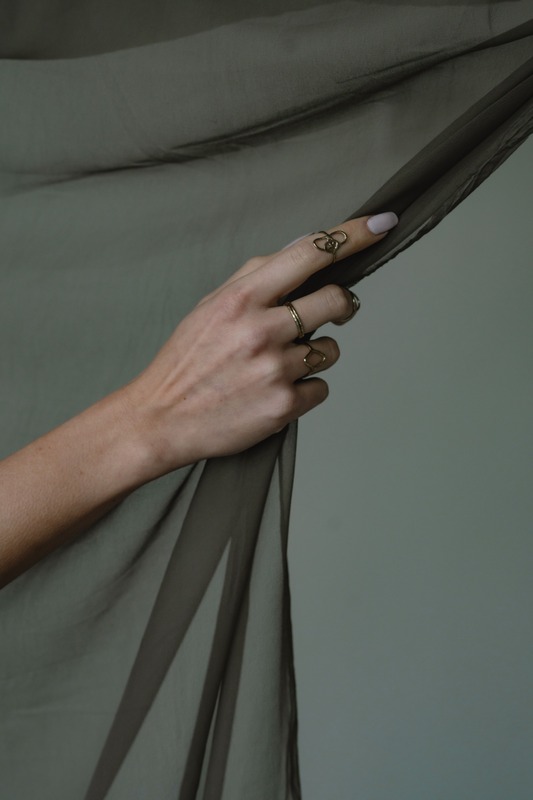
femininity in focus — voice international
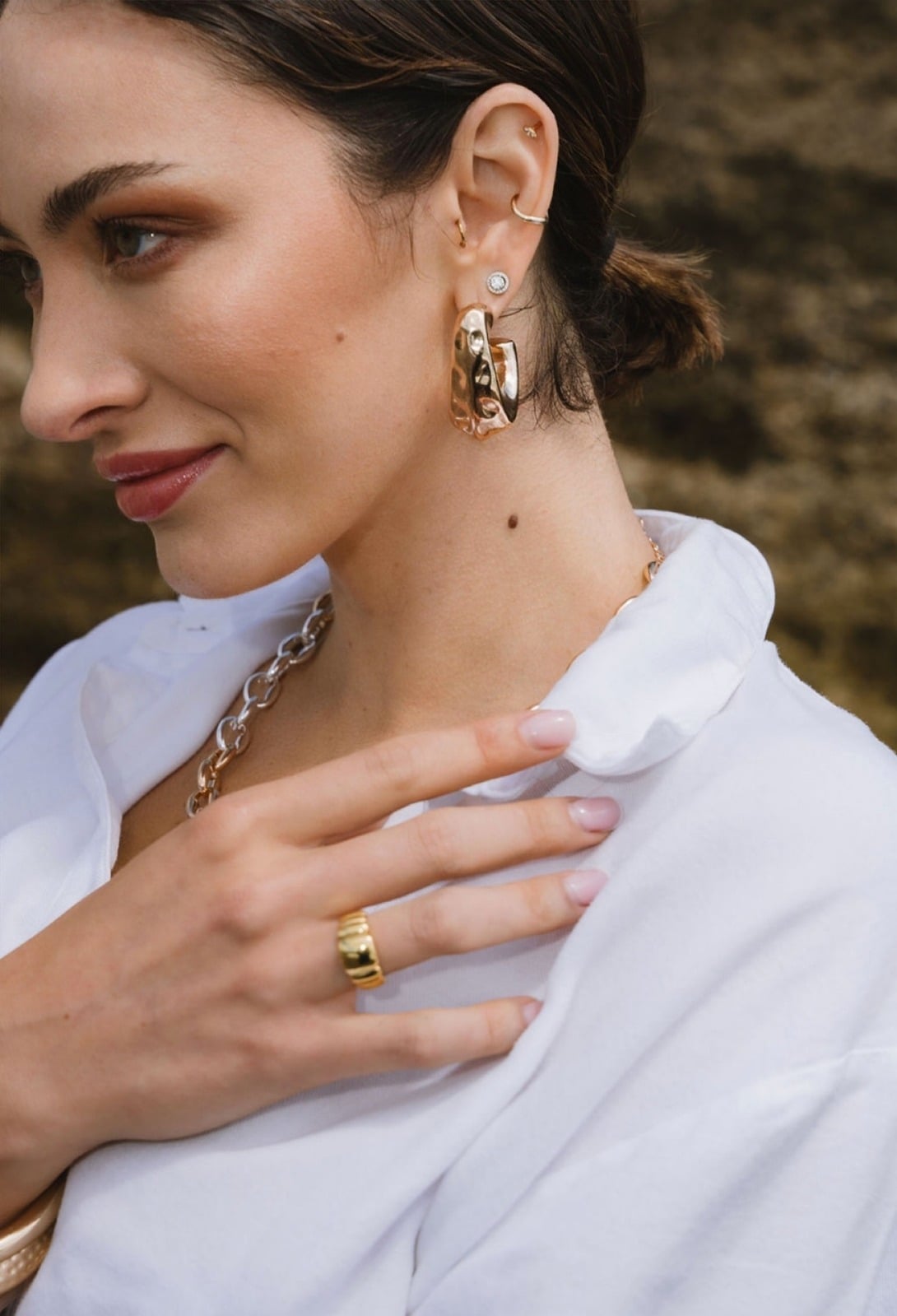
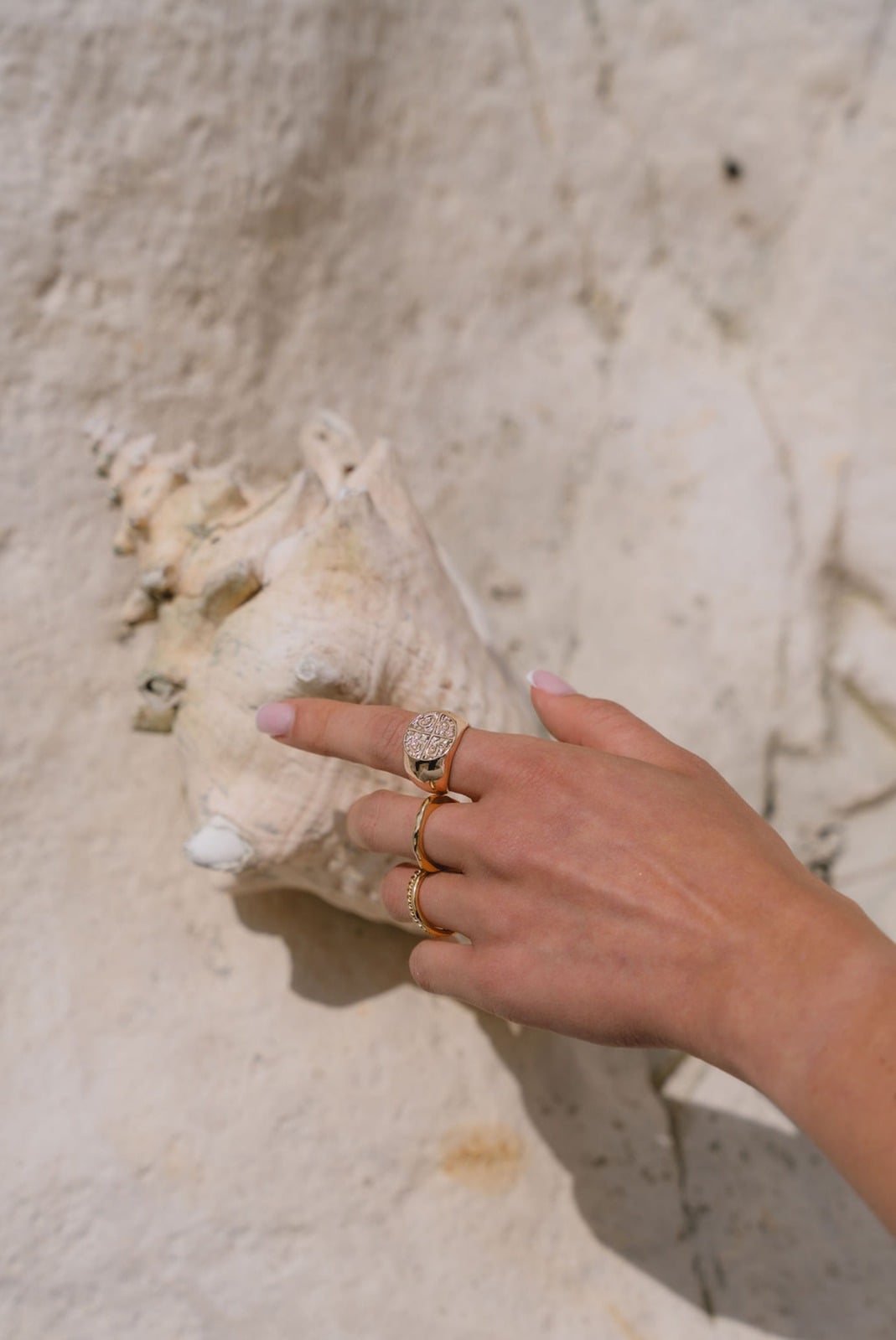
This editorial examines femininity through detail, gesture, and proximity. Shot with an emphasis on hands, skin, and ornamentation, the jewellery becomes an extension of the body rather than an accessory. The result is an intimate visual language where adornment amplifies presence, touch, and quiet confidence.
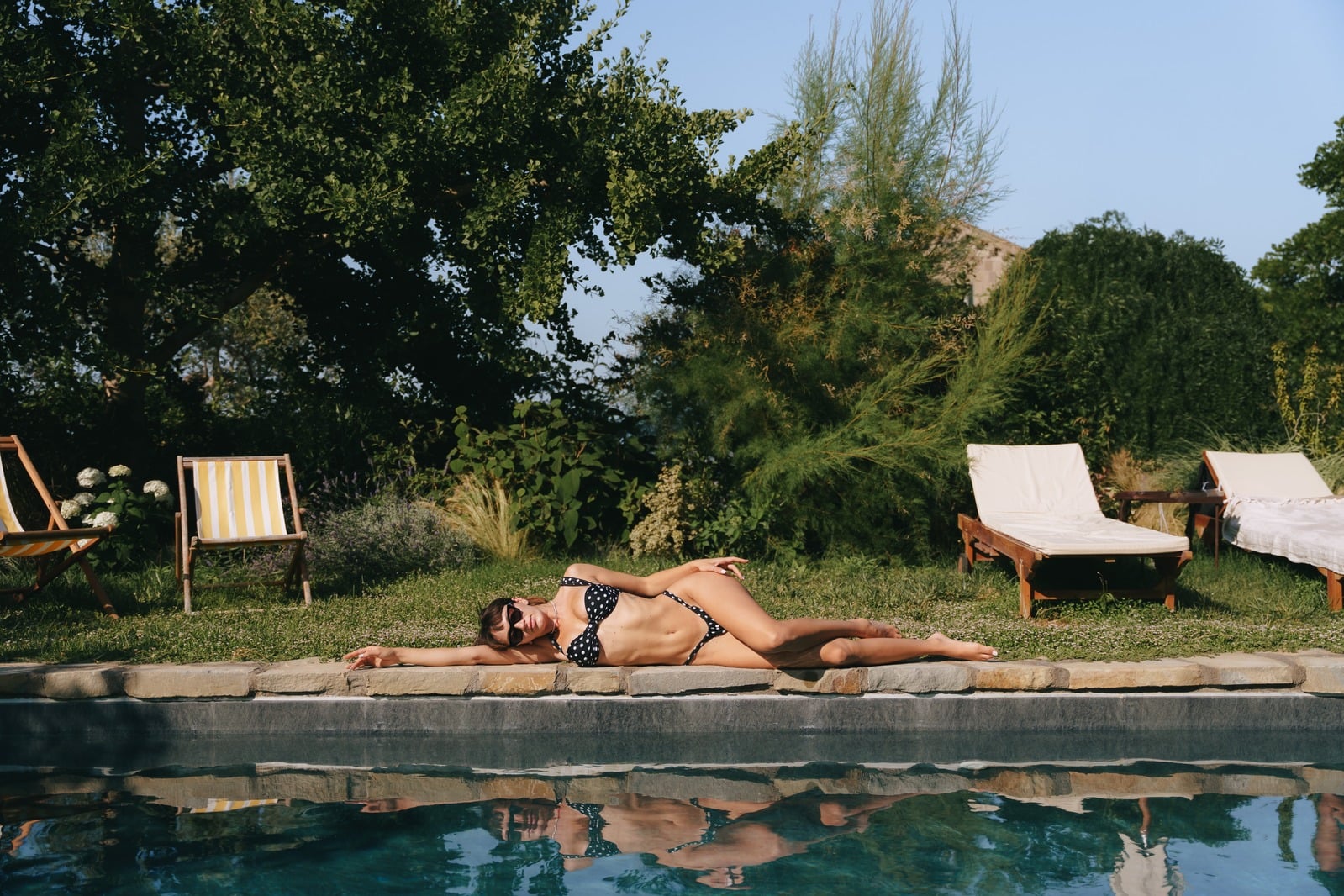
villa studies — vacay
Set within a private Italian villa, this swimwear editorial balances structure and ease. Architectural lines contrast with the fluidity of the body, exploring summer as a sensorial experience — light on skin, water as movement, rest as luxury. The imagery evokes a refined intimacy grounded in place, warmth, and stillness.
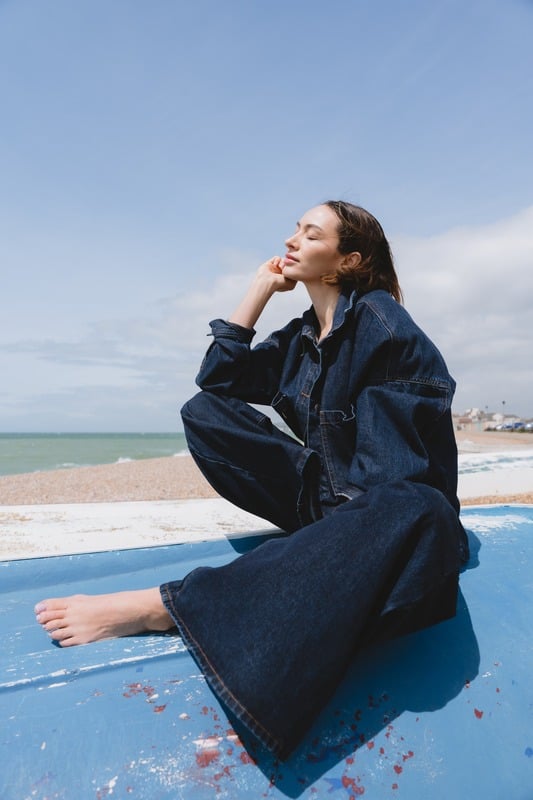
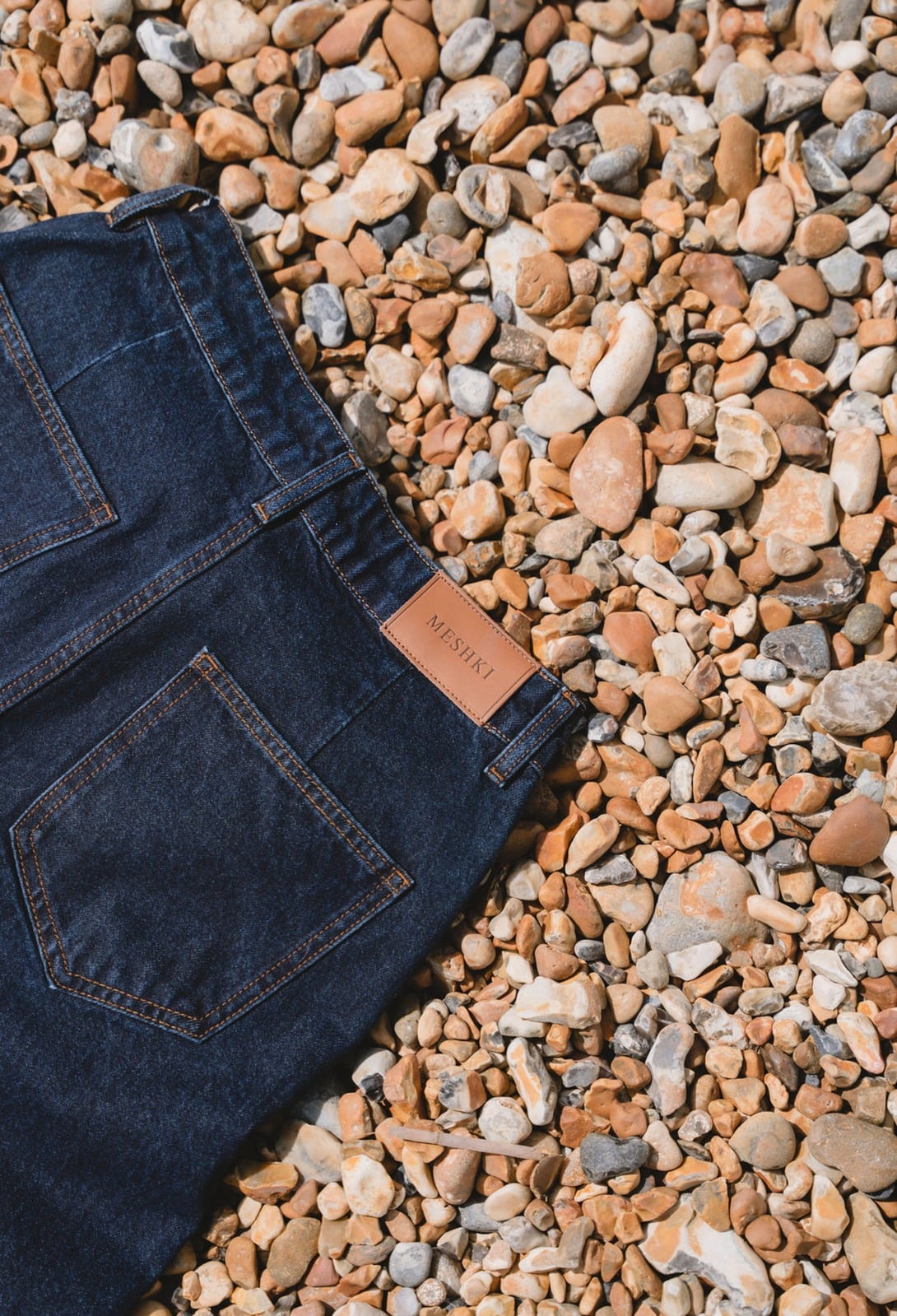
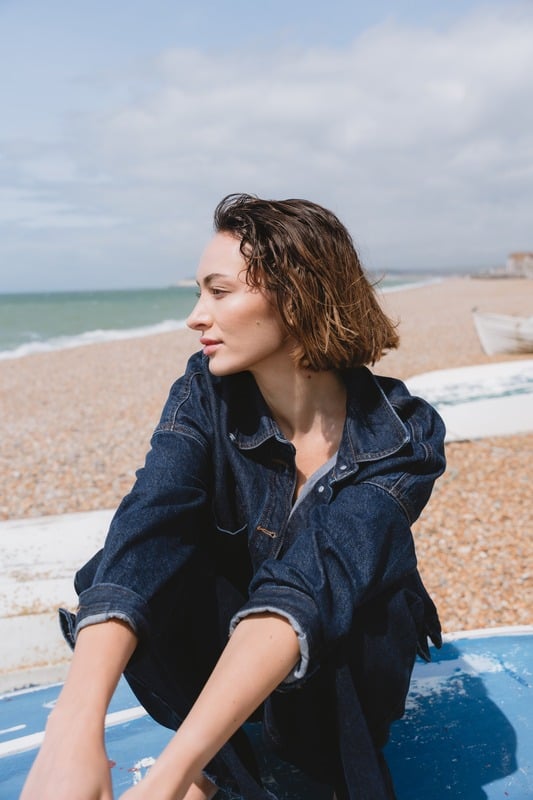
coastal denim — meshki
A modern study of denim by the sea, this editorial juxtaposes strength and softness through silhouette and setting. Shot entirely in jeans against the coastal landscape, the work explores femininity as grounded, relaxed, and self-possessed. Effortless yet intentional, with a subtle nod to freedom and self-definition.
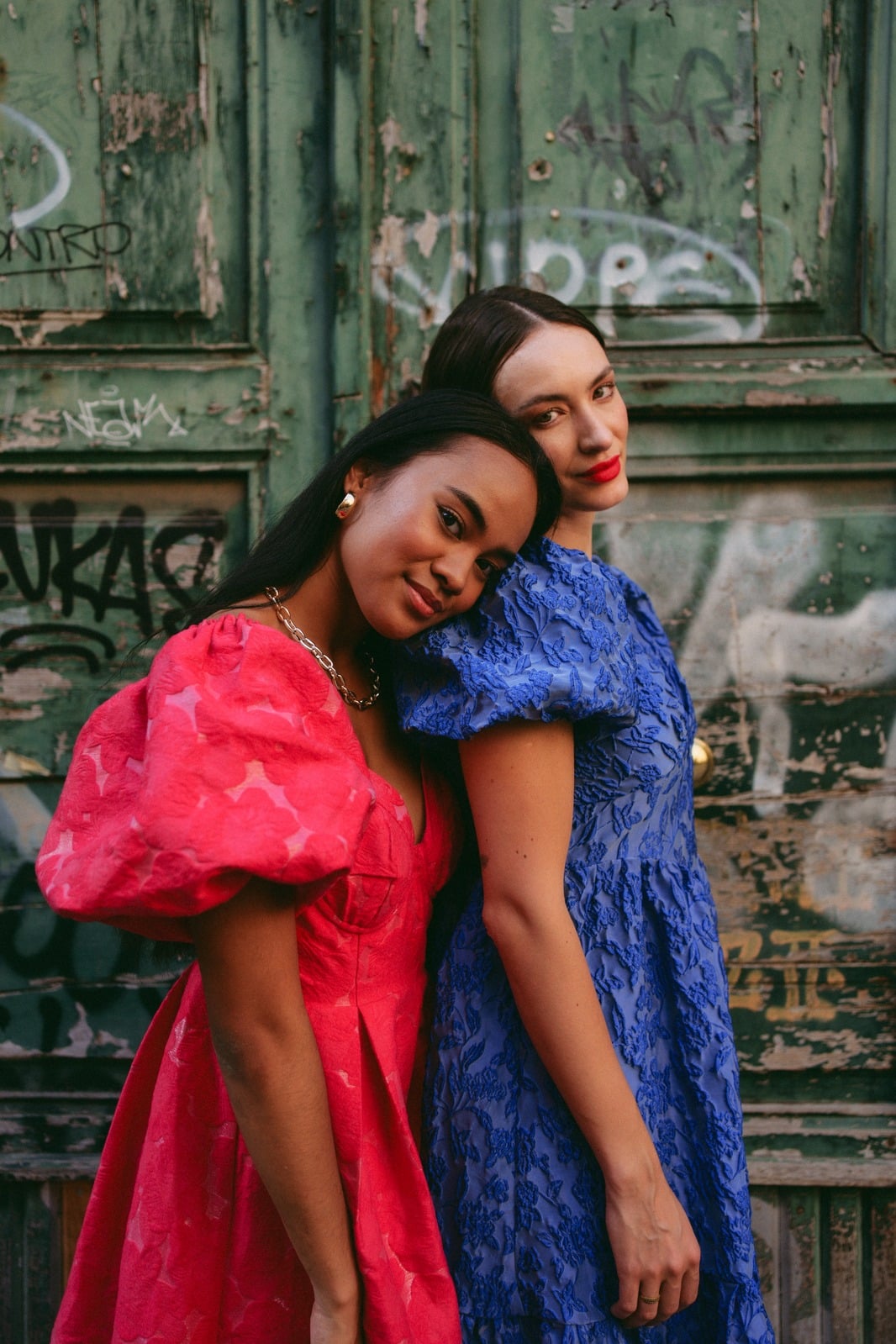
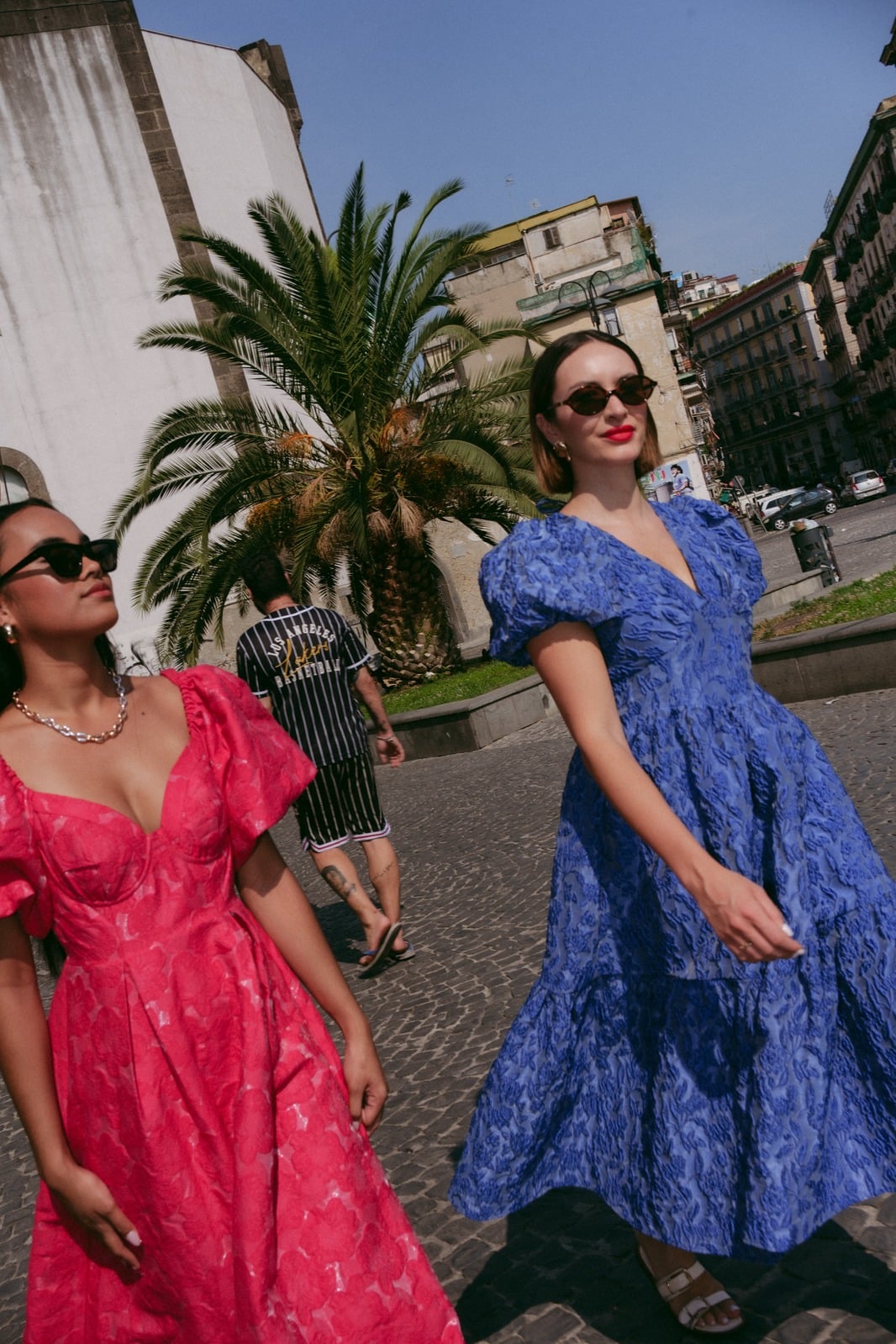
colour in bloom — sister jane
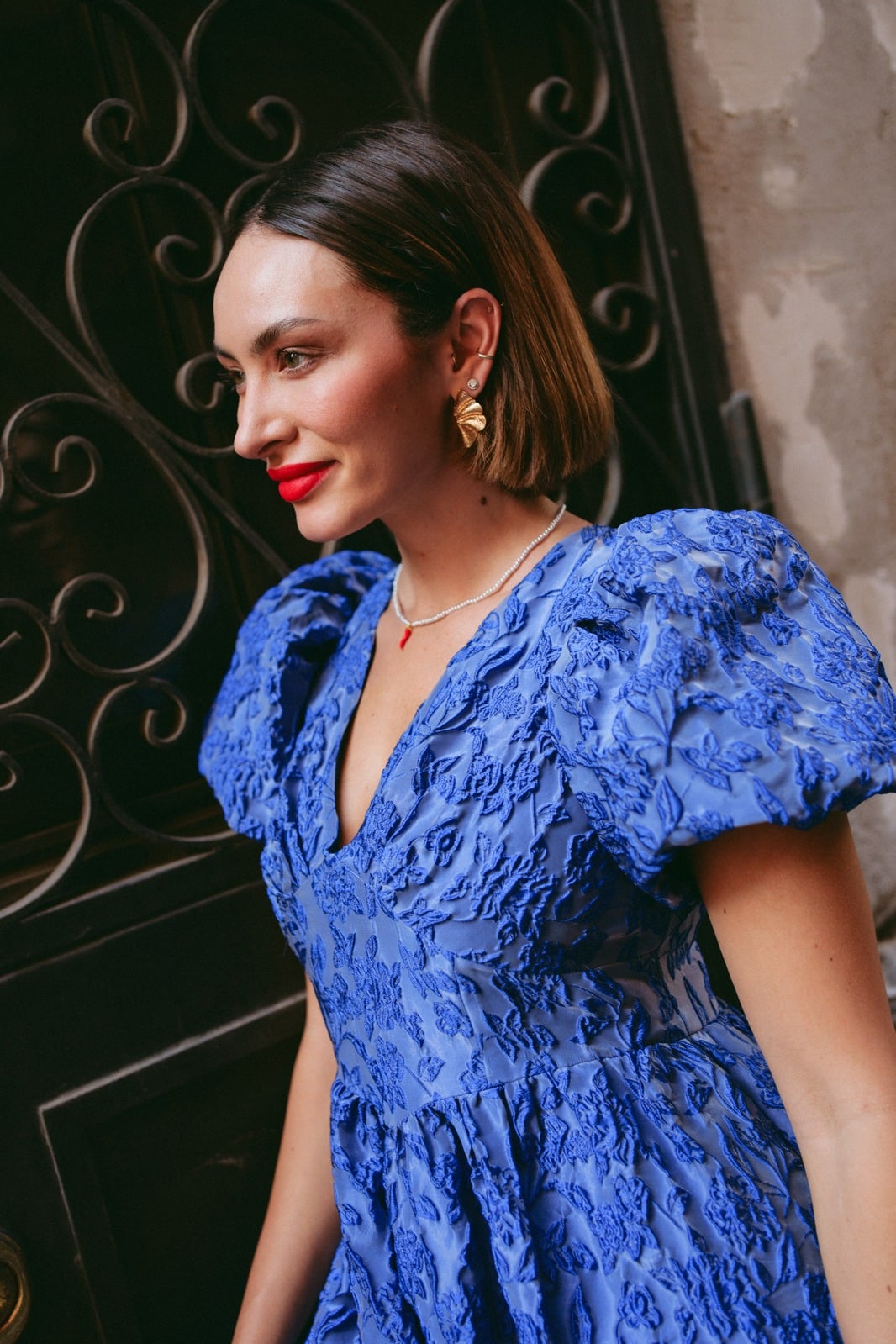
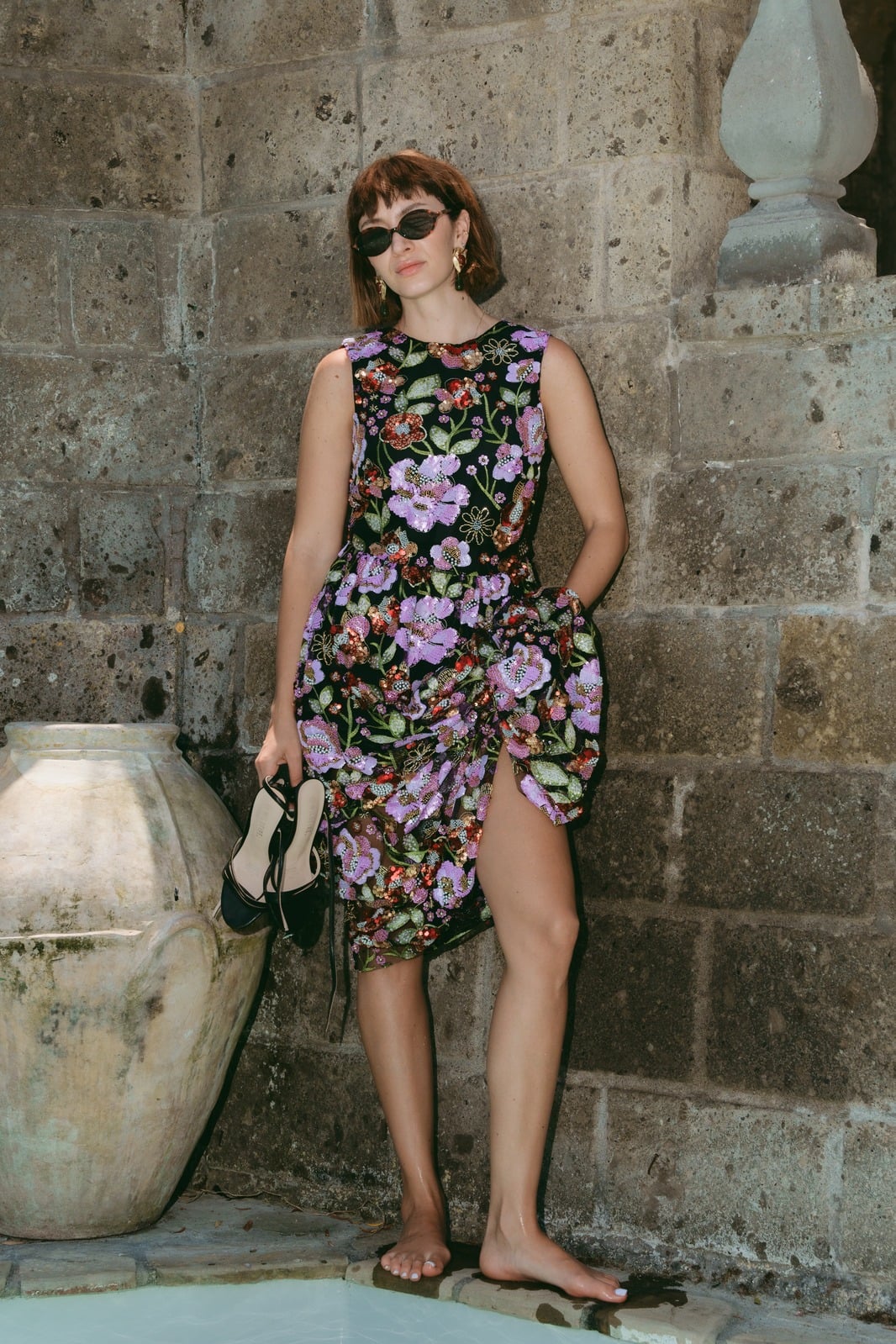
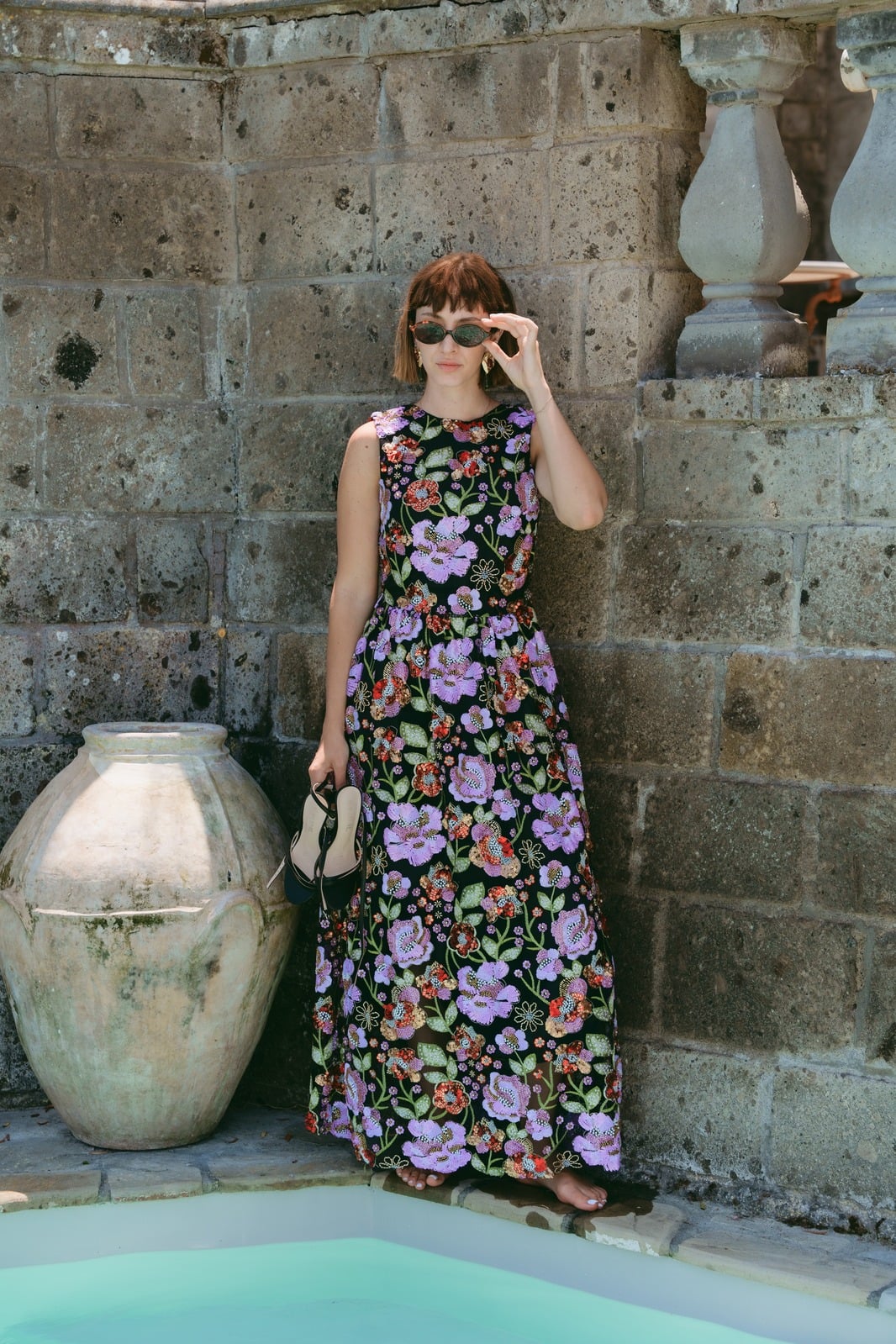
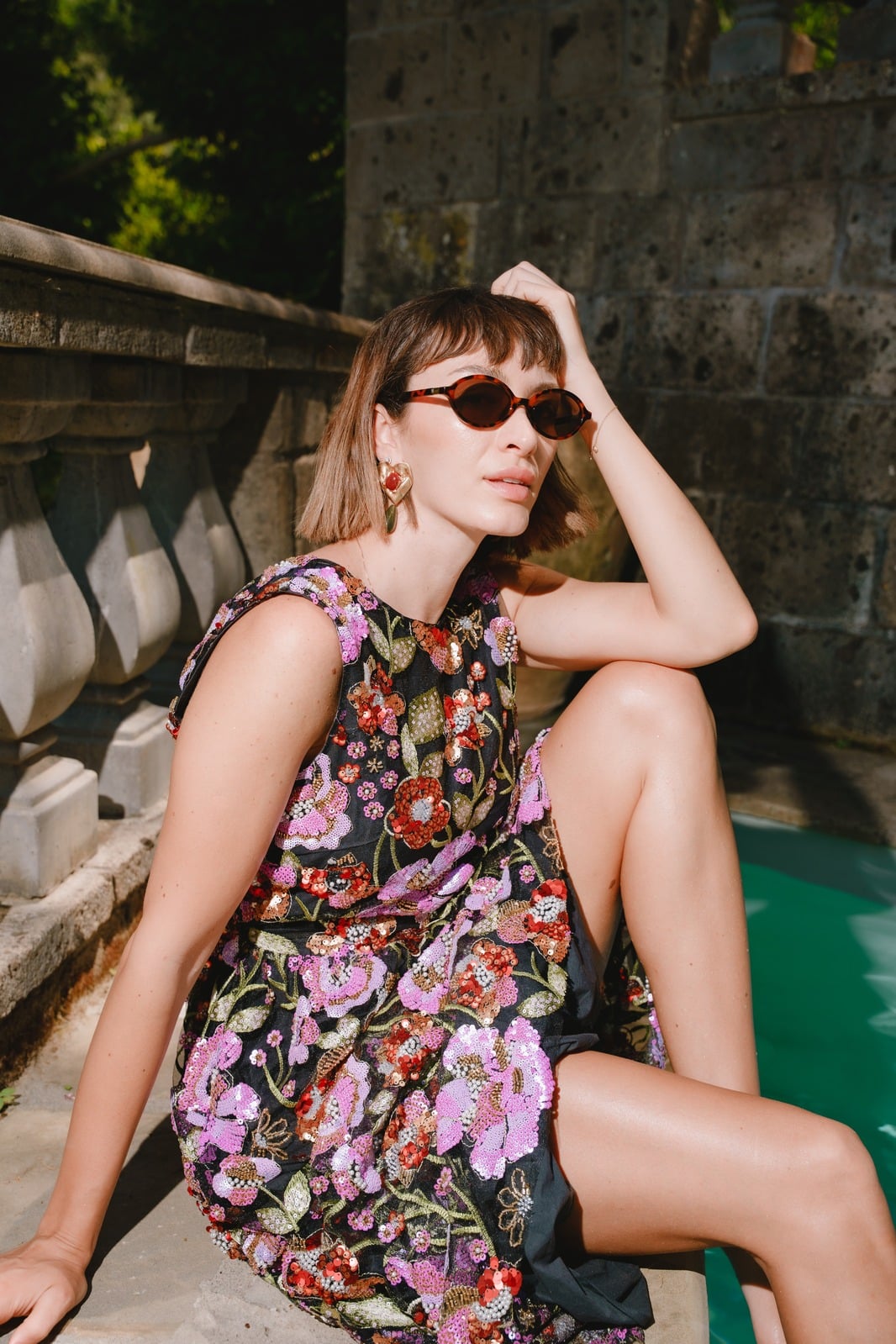
Shot on the streets of Naples, this editorial blends romanticism with urban texture. Colour, movement, and architectural backdrops frame a narrative of femininity in motion: expressive, playful, and rooted in place. The city becomes both stage and collaborator, lending energy and contrast to the softness of form.
lounge occhiali
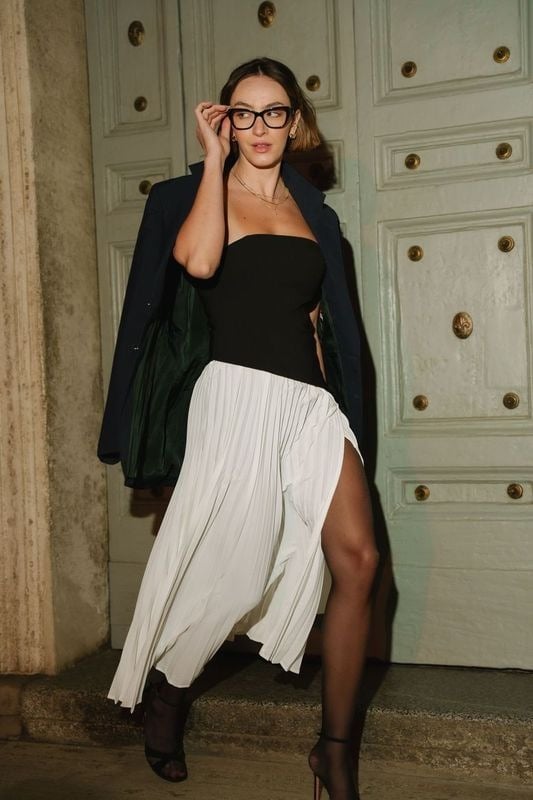
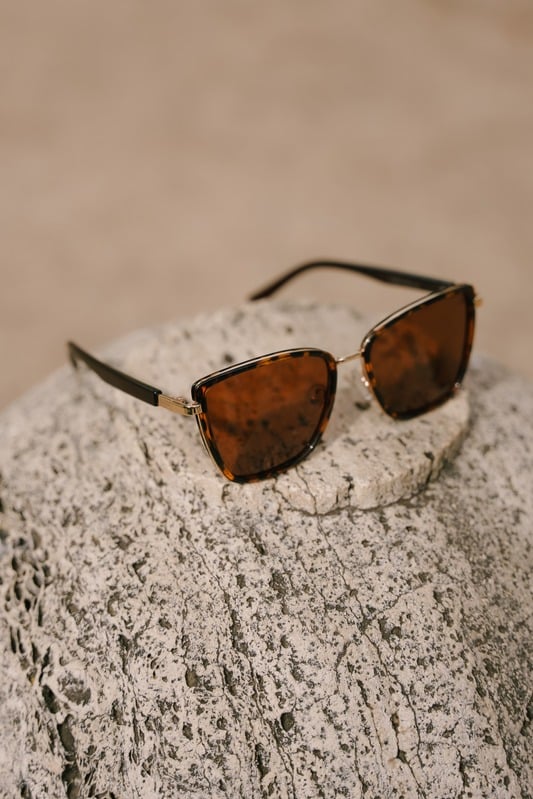
An editorial study of gaze, identity, and self-presentation set in Rome. Sunglasses act as both object and symbol: concealing, revealing, and reframing the self. Shot between architecture and evening light, the narrative explores confidence, anonymity, and the quiet power of how we choose to be seen.
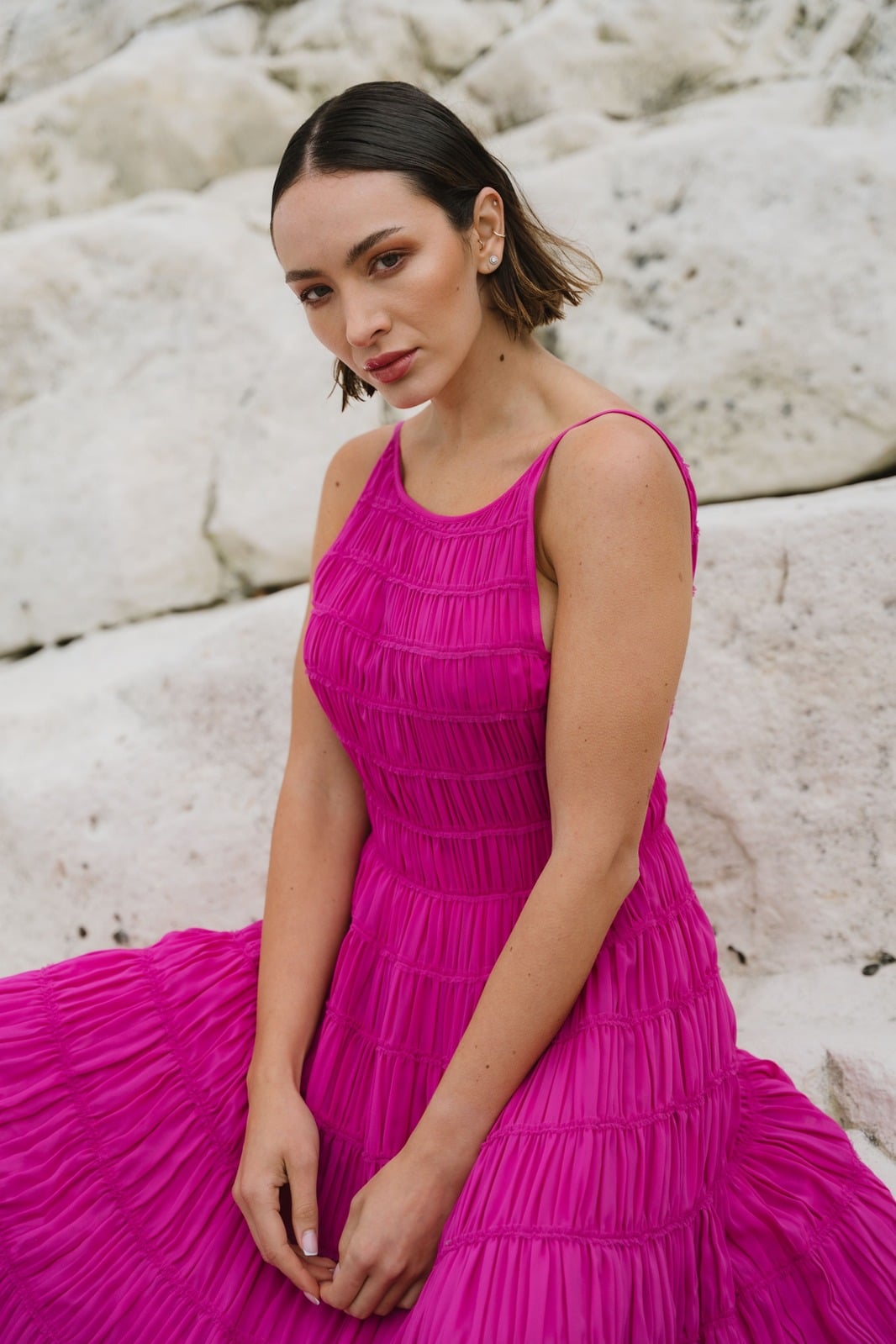
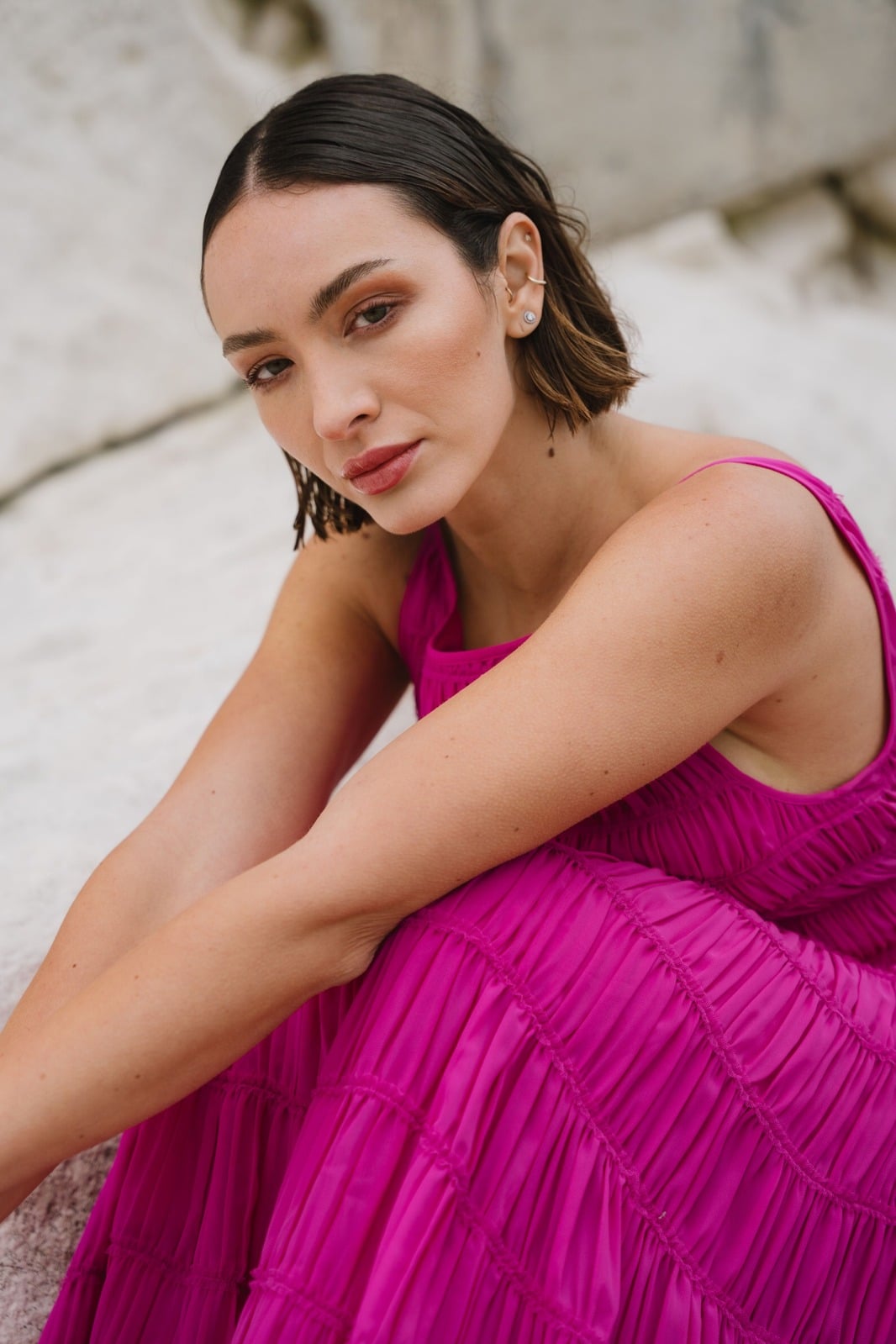
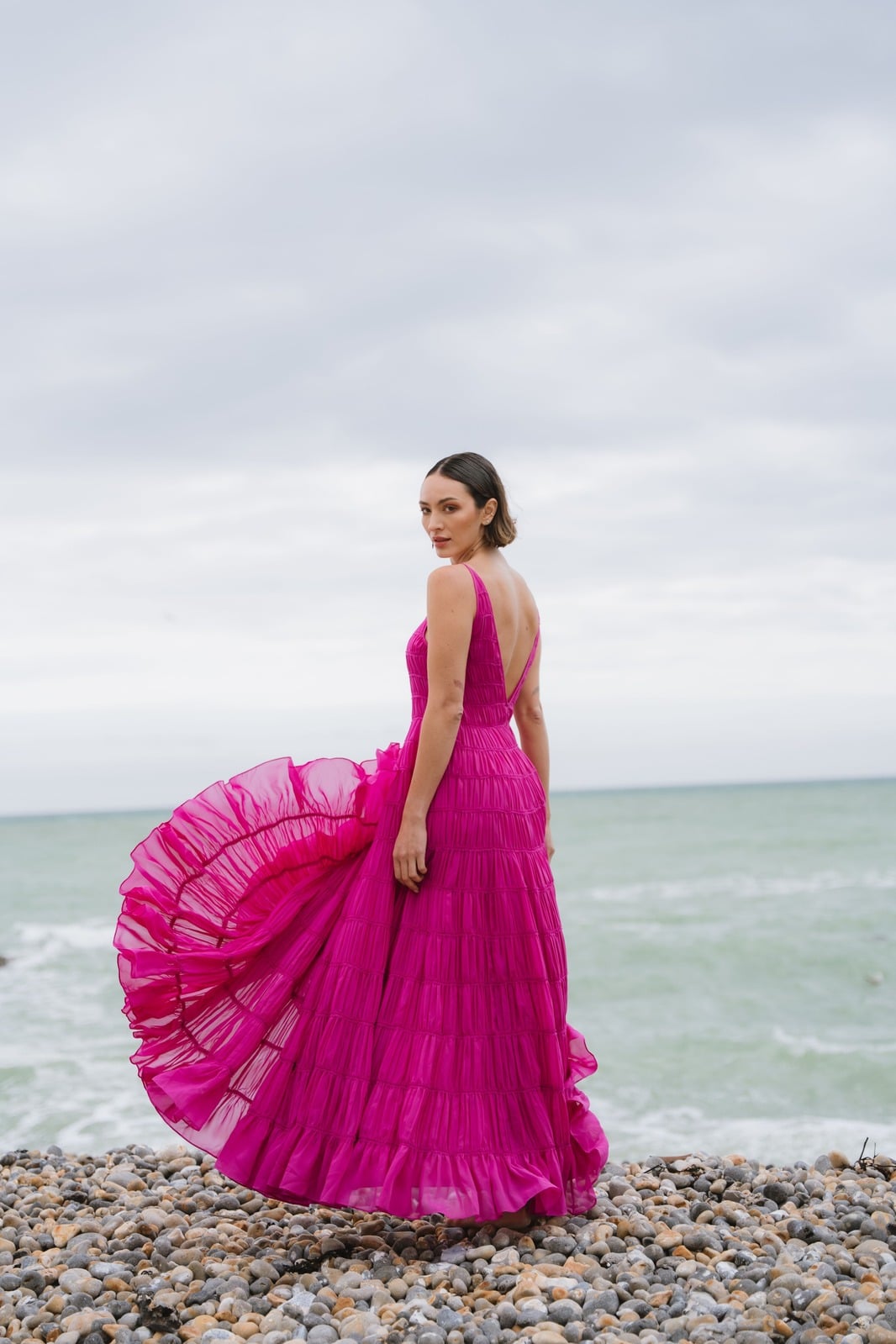
tides — aje
This editorial captures movement, volume, and emotional openness through sculptural silhouettes set against the sea. The coastline becomes a reflective space: expansive, grounding, and slightly melancholic, allowing the garment to move with wind and water while holding a sense of inner calm and strength.
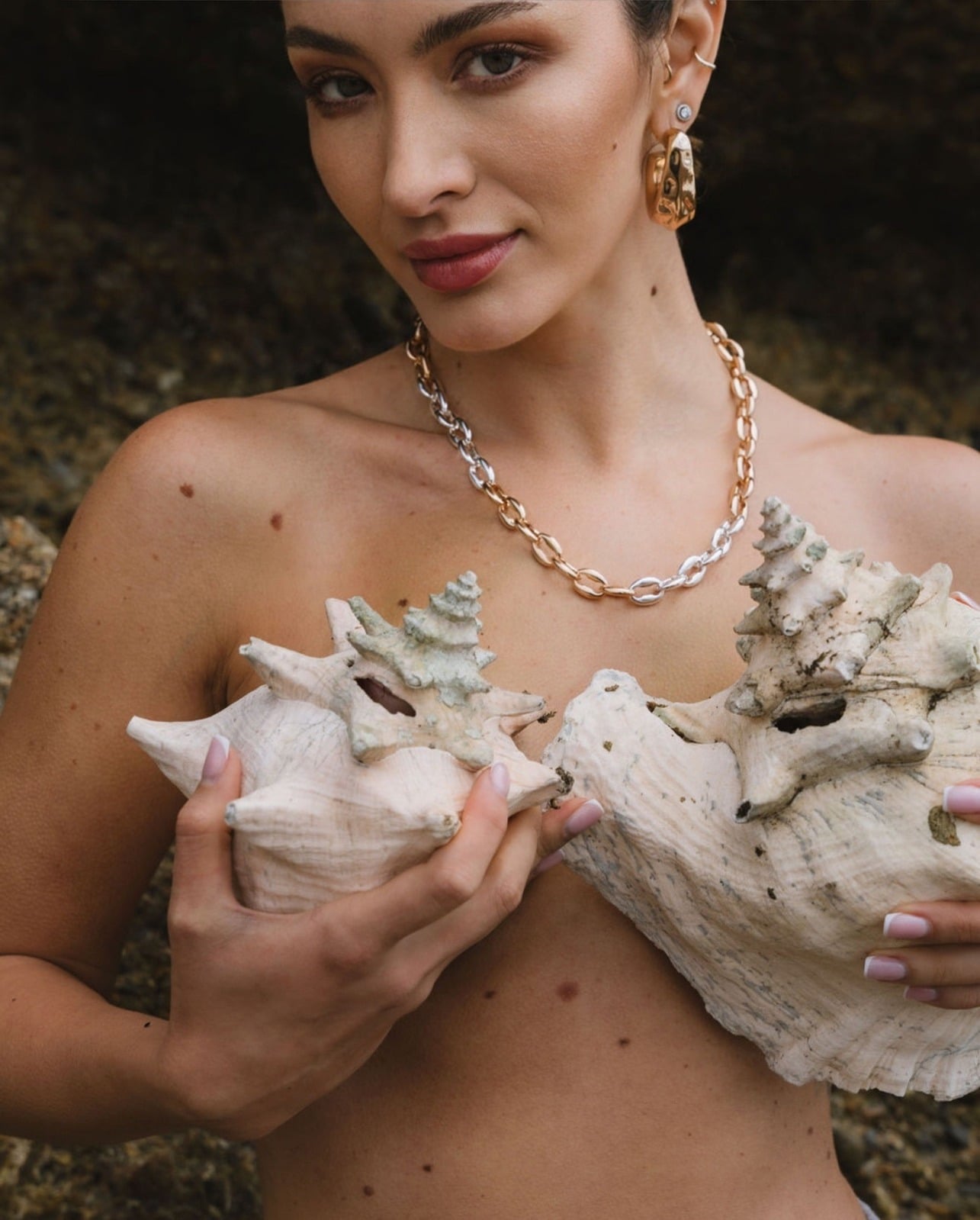
natural adornments — accessorize
Shot along the shoreline, this jewellery editorial draws inspiration from natural forms and textures. Shells, skin, and metal exist in dialogue, blurring the line between object and environment. The result is a tactile, elemental study of adornment as something instinctive, worn rather than styled.
Every project begins with a conversation. Enquire about commissioning a visual essay.
Postcards, prints and pre-orders. Each piece an extension of the work.
£24 — set of 8
Eight handwritten fragments from the correspondence archive. Each card arrives from Series One: Belonging. Printed on heavy cotton card stock.
£28 — limited edition
A fragment from the archive, hand-signed. A4 on archival paper. Edition of 50.
Coming soon
Pre-order the book when it is ready. Join the waitlist to hear first.
Notebooks, workshops, retreats and limited editions. Building slowly and with intention.
For creative direction enquiries, collaboration proposals and correspondence.
Nathalia works with brands and cultural organisations on creative direction, visual strategy and editorial production. She is interested in projects that sit at the intersection of culture, identity and image.
London & Rome
hello@natgrisard.com
@natgrisard — @notesontheunseen
Use the correspondence form on the Notes on the Unseen page.
“Some things need to travel slowly.”
If you’d like to receive occasional letters on belonging, identity, creativity and the unseen patterns that shape our lives, you’re welcome to join the correspondence list. No schedule. No noise. Only words.
If this finds you at the right time, pass it forward.